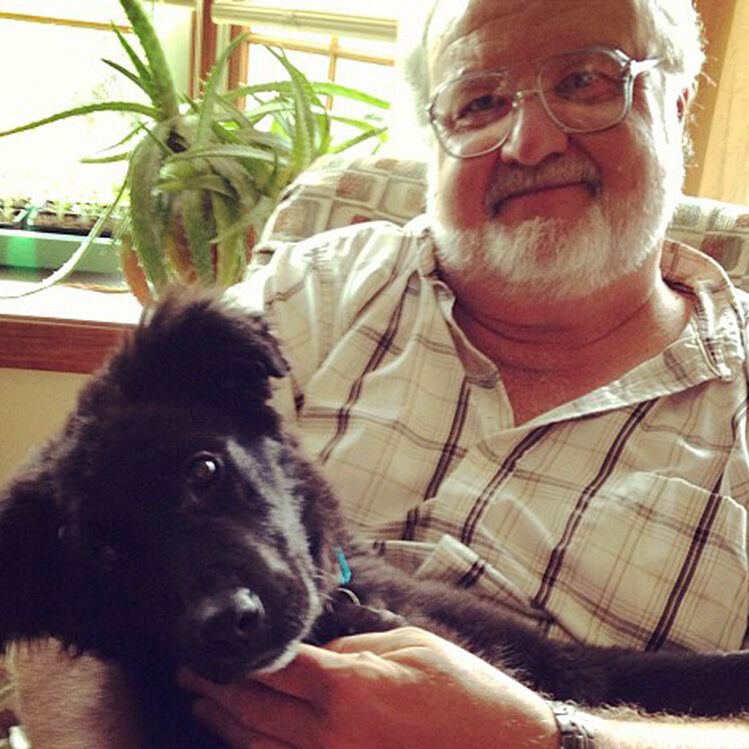
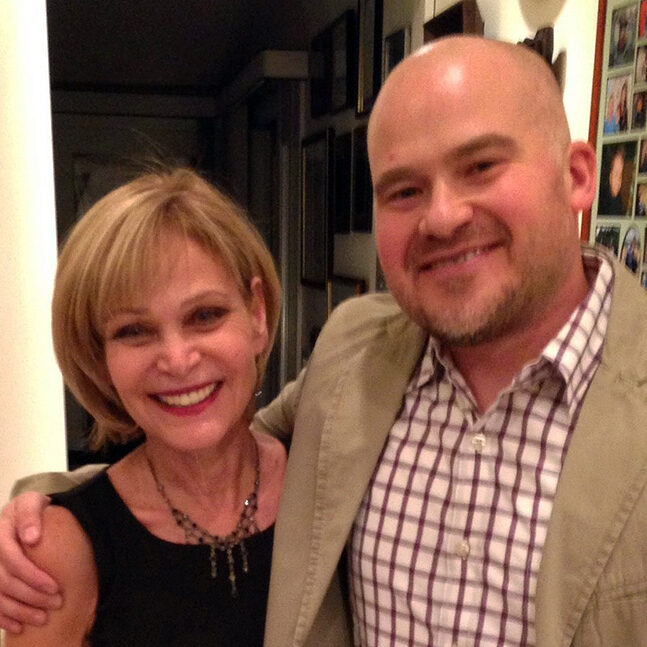
Sasha Butler is advocating for protecting and expanding Death with Dignity in California and nationwide. After losing her father, Jim Butler, to ALS—and witnessing firsthand what it means to have access to medical aid in dying—she is now dedicated to ensuring that no other family is denied the option of a peaceful, dignified end of life.
My father, Jim Butler, chose to end his life with dignity after being diagnosed as terminally ill with ALS in 2022. It is still difficult to put into words, not because the story is unclear, but because what the law made possible for him was so profoundly different from what most families face at the end of a terminal illness. And I am incredibly grateful.
My father lived in Pennsylvania for decades before moving to California in 2016 to be closer to me. I wanted him nearby as he aged, and when he finally made the move, I believed we were entering a new chapter together. I imagined more dinners, more laughter, and more time. Those ordinary moments that we often forget are a gift.
Not long after his move, his health began to decline in ways we couldn’t explain. It took nearly five years of appointments, tests, and procedures before he was finally diagnosed with ALS. By March 2022, he was told he likely had no more than a year to live.
A Life Before Illness
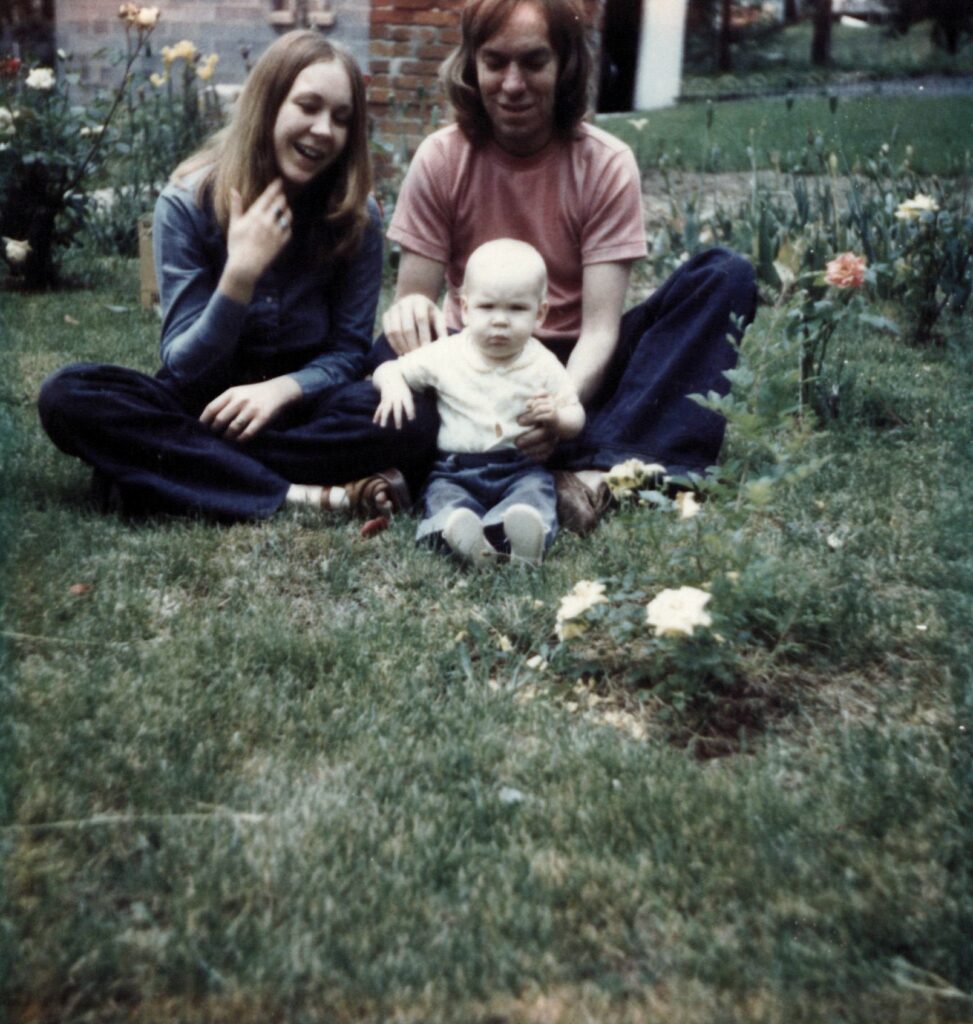
My father was born in 1944 in Hagerstown, Maryland. In 1969, he moved west with my mother, and they spent years in San Francisco living a free, unconventional life before returning east to raise me.
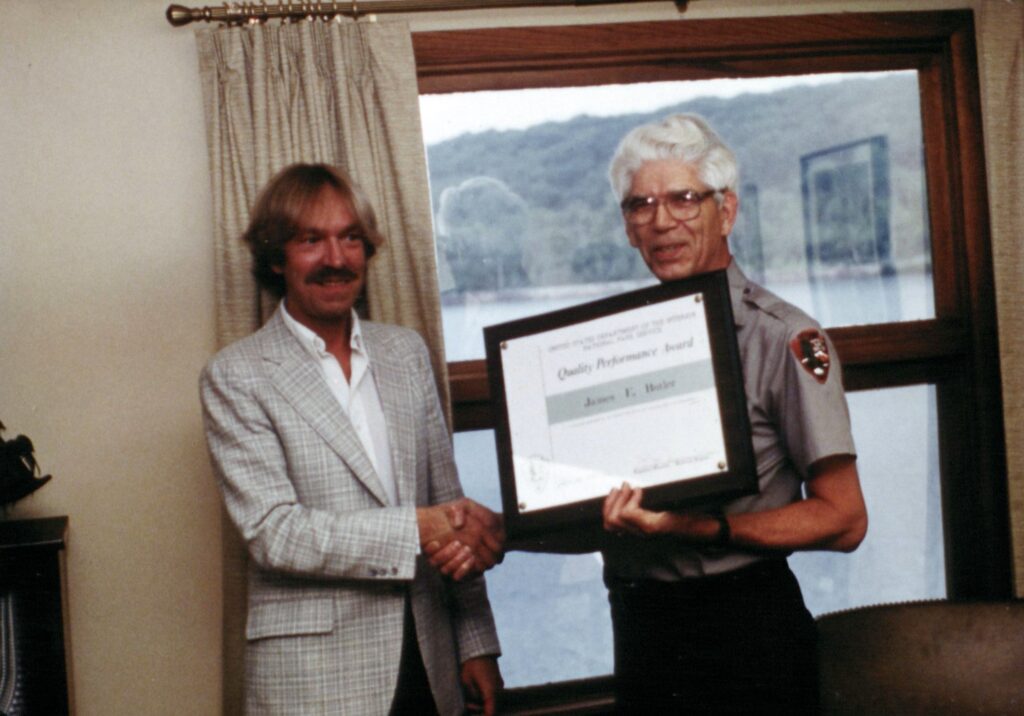
He spent his career working for the federal government, primarily with the Department of Agriculture. His work allowed him to move often—Washington, D.C., Minnesota, New York, and eventually back again before retiring early at 50.
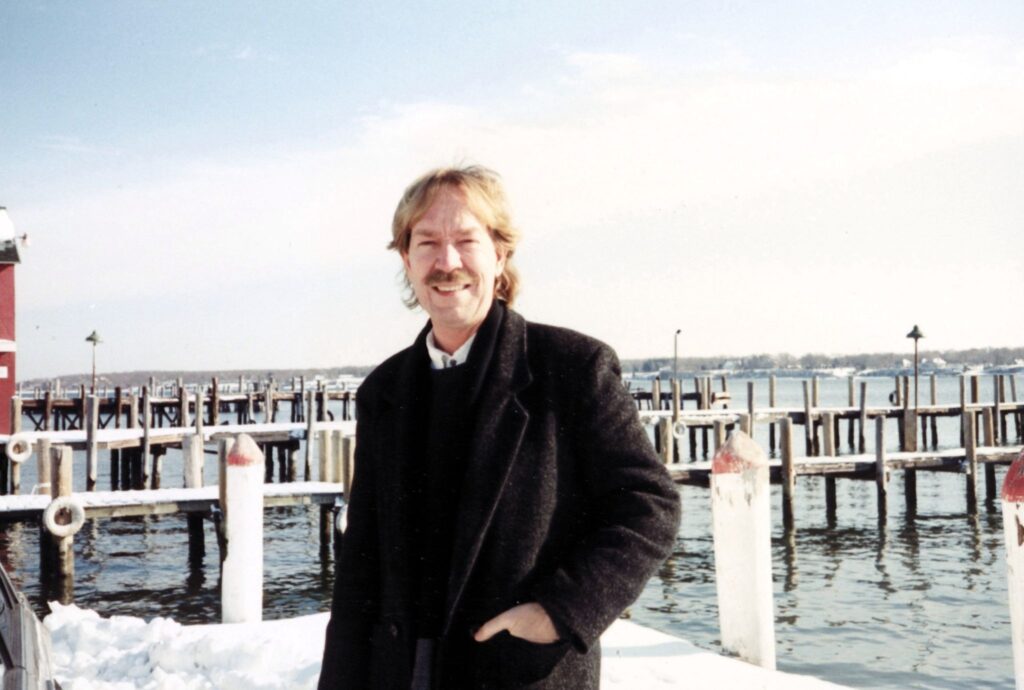
He was happiest when life felt open. He cooked constantly, gardened, walked cities for hours, and loved live music. He was playful, social, and deeply loved by everyone who knew him. When I moved to California in 1992, he often said he wanted to join me. In 2016, he finally did.
The Slow Search for Answers and End-of-Life Options
Looking back, the changes began subtly. His voice became rough. He mentioned weakness in his legs. After he moved to California, those changes became harder to ignore. He cleared his throat constantly, seemed more frail, and grew weaker over time.
We searched for answers for years. Doctors suggested reflux, allergies, and structural issues. Nothing seemed to explain what was happening. A surgeon believed bone spurs in his neck were affecting his swallowing and recommended surgery, which he underwent in late 2021.
Like so many families do, we held onto hope. We wanted to believe this was fixable with the right procedure and diagnosis, but the surgery did not help.
By then, my father could barely eat solid food. For someone who had always found joy in cooking, it was a devastating loss. After lots of research and dead-ends, as he continued to decline, eventually, we were referred to UCSF.
In March 2022, after testing and evaluation, the diagnosis was confirmed: ALS.
We had suspected it, but hearing it spoken aloud changed everything. I watched my father absorb the news, and what followed was the kind of composure that only comes from someone who understands there is no bargaining left to do.
The Moment Everything Changed
At a clinic visit, we met with a full ALS care team. They walked us through what the disease would look like, how it would progress, what supports existed, and what life would soon become.
I remember sitting there, taking it all in. The information was overwhelming, and every word felt like a glimpse into a future I didn’t want to imagine.
Then I asked the question I could no longer avoid.
“How long does he have?”
The answer was nine to twelve months.
My father lifted his mask and asked, calmly, “What about the end-of-life option?”
The question stunned me, not because of the impulsive nature of it, but because he was so clear. ALS had already taken so many pieces of him, but at that very moment, I remembered the father I had always known, someone who is determined, practical, and so brave. He knew what was coming, and he wanted to have a plan.
I had never heard of California’s End of Life Option Act. But in that moment, everything shifted. The room went quiet as the neurologist explained the law and the process: two physicians, confirmation of eligibility, and the possibility that this could begin that path.
I watched my father listen carefully to every word. I knew that if this was what he chose, I would be there for every moment of it to support him on this last journey.
When we left that appointment, nothing was simple anymore. We were carrying grief, but also something unexpected: relief. For the first time since his diagnosis, there was a way for my father to avoid a prolonged, devastating decline.
Over the following months, my father completed the required steps and was approved for medical aid in dying (MAID). He was relieved to be approved and know the medication was available when he was ready. Not as an urgency, but as reassurance.
By June, he was in hospice, but still living at home. During a visit from a spiritual counselor, he told her he was ready. She called me immediately.
He set the date: July 9th, 2022. Even then, it was difficult to accept. But ALS had already taken so much, and what remained ahead for Dad was not more life, but more loss.
Saying Goodbye to My Father on His Terms
The morning of my dad’s death, he was dressed and sitting in his chair when I arrived. The room was calm. Ordinary, even. In this sacred space, nothing was rushed, and there were no chaotic goodbyes or loud hospital noises and smells. This was his decision alone, and we were there to support him through it.
The onsite nurse prepared everything and told us he could go in when he was ready.
My father walked to the bedroom for the last time. There was no hesitation in him. That clarity said more than any words could. My mother and I sat with him. We held his hand. We told him we loved him. After he consumed the medications, he fell asleep peacefully.
One hour later, he was gone. There was no fear. No emergency. No suffering in those final moments. Only peace.
After his death, what remains most present is not just grief, but the absence of suffering. The End of Life Option Act did not end his life. ALS did.
What the law made possible was control over how that life ended. It allowed him to avoid a prolonged decline defined by loss of autonomy and increased suffering. It allowed our family to say goodbye in a moment of calm instead of crisis.
Why Death with Dignity Must Exist Everywhere
If my father had still been living in Pennsylvania, this would have been a very different story. Care likely would have taken place in a facility. I am his only child. He would have fought to stay in his home, and the ending would not have been the same.
And even though we were in California, I didn’t know the End of Life Option Act was available until the day my father asked his doctor about it. I lived here. I was close by. I was his advocate. And still, I had no idea this kind of peace was possible.
That realization has stayed with me. Because if families can miss the option in a state where it’s legal, imagine what it means for the millions of people living in states where it’s not. This is why I’m advocating alongside Death with Dignity now, to get the word out, and to demand increased access to this vital end-of-life option. The right to live with autonomy should include the right to die with it as well.
Right now there are countless people who oppose this critical end-of-life option working to dismantle MAID laws nationwide, including in California. These laws are the embodiment of gratitude for the sanctity of life, and the inevitable transition we will all someday face: death.
These laws allow dying people like my father to avoid a prolonged, traumatic ending that strips away everything that makes them human. They provide an option for terminally ill folks to leave this world peacefully, surrounded by love, and free from suffering. Anyone working to remove this right should be ashamed of themselves, and I am doing everything in my power alongside Death with Dignity to ensure these laws stay intact, and more states join California and the other 13 jurisdictions where MAID is legal, in providing expanded options to those who are dying.
Donate Today
Please join me in ensuring organizations like Death with Dignity can continue doing this pivotal work, particularly in the current political climate we are living in, where bodily autonomy for all of us is at risk.
Donate to support dignity at the end of life. Every dollar counts, now more than ever.