Scott lives in Florida, where a Death with Dignity law has not yet passed. He is advocating to pass medical aid in dying laws in his state and nationwide, in honor of his husband, Tony.
My fight is about every family who may one day find themselves in our shoes.
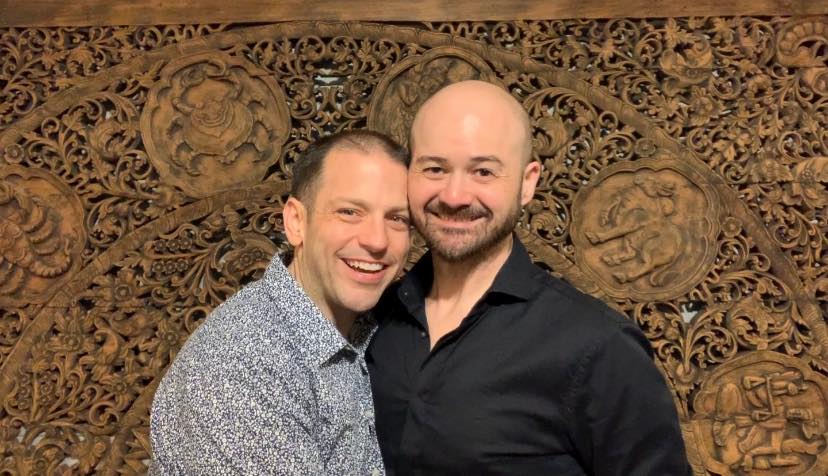
I want to tell you about my husband, Antonio “Tony” Tapia—the love of my life, my partner in every sense of the word, and the man I had the privilege of marrying not once, but 17 times.

Tony passed away in January 2023 at just 47 years old, after a four-year resistance against a rare form of oral cancer. I was by his side through every moment of that journey—through every painful treatment, every setback, and every fleeting moment of hope. I watched him endure the unimaginable with strength and grace. And I also watched him suffer in ways no human being should ever have to endure.
I share this story not only as Tony’s husband, but as a gay widower in my 40s, someone you might not expect to be in this position so young. I want people to see that death is not something that only comes late in life. Illness and loss can strike any family, at any stage. That’s why compassionate options like Death with Dignity must be available to all terminally ill adults who need them.
A Love Story Defined by Marriage Equality
Tony was my attorney before he was my husband. I had written a book and became a client of his intellectual property law firm. Somewhere between securing a copyright and sharing our dreams, we found a lifetime of joy together.
Tony and I were among the first couples to join the domestic partnership registry in 2012 in Orlando and Orange County, Florida, standing on stage at Lake Eola Park during Pride in front of 100,000 people. Later, we flew to California to marry again, then again, and again—each time another state recognized marriage equality. By the time the United States Supreme Court ruled in the Obergefell ruling, we had celebrated 17 different anniversaries.
Not many people can say they’ve been married 17 times, all to the same person! But that was us. Each one of those marriages was a small victory for love, and a reminder of how deeply we were meant for one another.
Who Tony Was: A Brilliant Attorney, Teacher, and Advocate
Tony was the kindest, most brilliant person I’ve ever known. A member of Mensa, a patent attorney, and a professor, he could do just about anything. But what made him extraordinary wasn’t just his intellect—it was his compassion.
He loved teaching. He loved helping others succeed. He loved being of service. Tony celebrated the victories of his clients and students as though they were his own and he never stopped believing in their potential.
Tony’s core belief in serving others came from his family. His parents were immigrants who ran a medical practice and dedicated their lives to caring for patients in underserved communities. Tony admired their tenacity, and he too lived with the conviction that medicine and science should serve humanity, lessen suffering, and bring more compassion into the world.
Clinical Trials, Cancer Treatment, and Tony’s Belief in Medicine
When Tony was diagnosed with his rare cancer, we both knew that treatment options would be limited. He endured grueling rounds of surgery, chemotherapy, and radiation. His face was burned by radiation, his hearing was lost in one ear, and his ability to eat was taken from him.
Still, when the chance arose to join a clinical trial, Tony said yes, not just for himself, but for others. I remember him saying to me, “Even if this trial doesn’t help me, maybe the data can help someone else.”
That was Tony, selfless even in the midst of suffering. He was willing to sacrifice his own comfort for the hope that, someday, his experience might lead to relief for another patient. His belief in medicine was unwavering, even as medicine could no longer save him.
But here’s the painful truth: while clinical trials are a way of advancing science, they are not a substitute for compassion. No trial, no treatment, could give Tony what he truly needed at the end: relief from relentless pain and the ability for him to decide when enough was enough. That is why medical aid in dying is a critical healthcare option that every patient deserves access to.
Fighting for Equality in Love and in Death
When I think back on our greatest memories together, it’s not the trips we took or the homes we made—it’s our fight for marriage equality. Standing together on stages, applying for a license that wasn’t yet federally recognized, traveling across the country to marry, we weren’t just declaring our love, we were demanding recognition.
Those battles weren’t easy, but they were worth every ounce of energy, because in the end, we won the right to marry the person we loved most in the world.
Now, after losing Tony, that same fight burns in me again. Only this time, it’s for healthcare equality. Just as we once had to fight for marriage equality, we now have to fight for equal access to end-of-life choices.
I say this as someone who has lived through it, who never imagined he’d be in this position so young.
If death can touch my family this early in life, it can touch anyone’s. That’s why Death with Dignity must be an option for all adults who face a terminal diagnosis, regardless of their age, race, sexual orientation, or where they live.
Why Death with Dignity is Essential Healthcare
I am proud to be Tony’s husband. I am proud of the life we built together, and I am proud of the love we shared. That love now fuels my fight for Death with Dignity—not just in Florida, but across the United States.
Because this isn’t only about Tony. My fight is about every family who may one day find themselves in our shoes. It’s about ensuring that no one else has to endure the kind of needless suffering Tony did. Death with Dignity is about love, compassion, and respect for personal autonomy.
Death with Dignity is essential healthcare. Just like we fight for access to medicine, access to doctors, and access to treatment, we must fight for access to compassionate end-of-life choices. No one should be forced to suffer when there is no hope for recovery.
Honoring Tony’s Legacy Through End-of-Life Choices
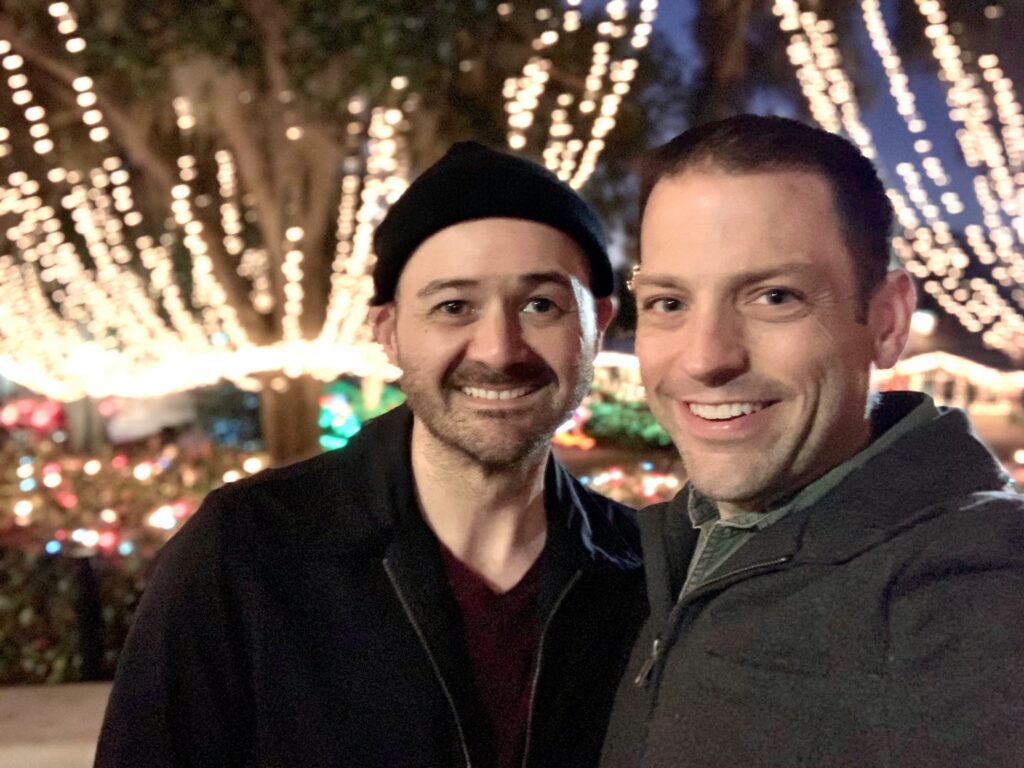
When I think of Tony, I think of the joy we shared, the students he inspired, and the compassion he showed, even in his hardest moments. His legacy lives on in every life he touched.
And now, I want his legacy to help pass Death with Dignity laws nationwide, so that others have the choice he was denied.
Tony did not get to die in the way he wanted and deserved. But together, we can make sure others are not forced to suffer as he did.
I share this as a husband, a widower, and someone who knows firsthand that illness and death don’t wait until old age. They can come for any of us, at any time. That’s why we must ensure compassionate options like Death with Dignity are available to all adults.
Honor Tony’s legacy of love and courage. By donating today, you help ensure no one else suffers without choice. Together, we can secure Death with Dignity for all.