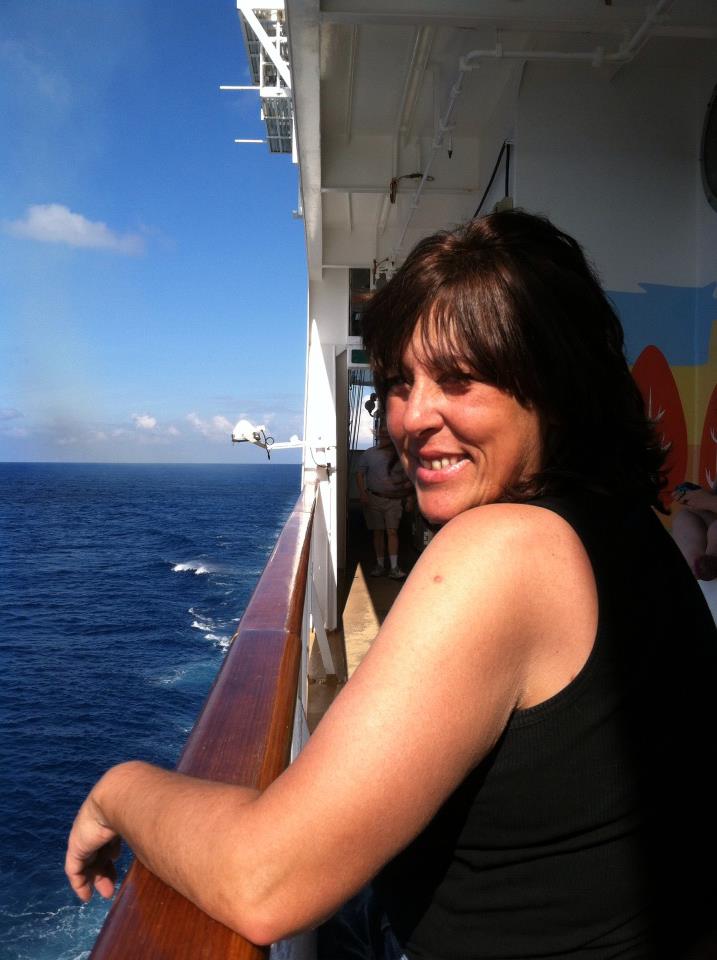
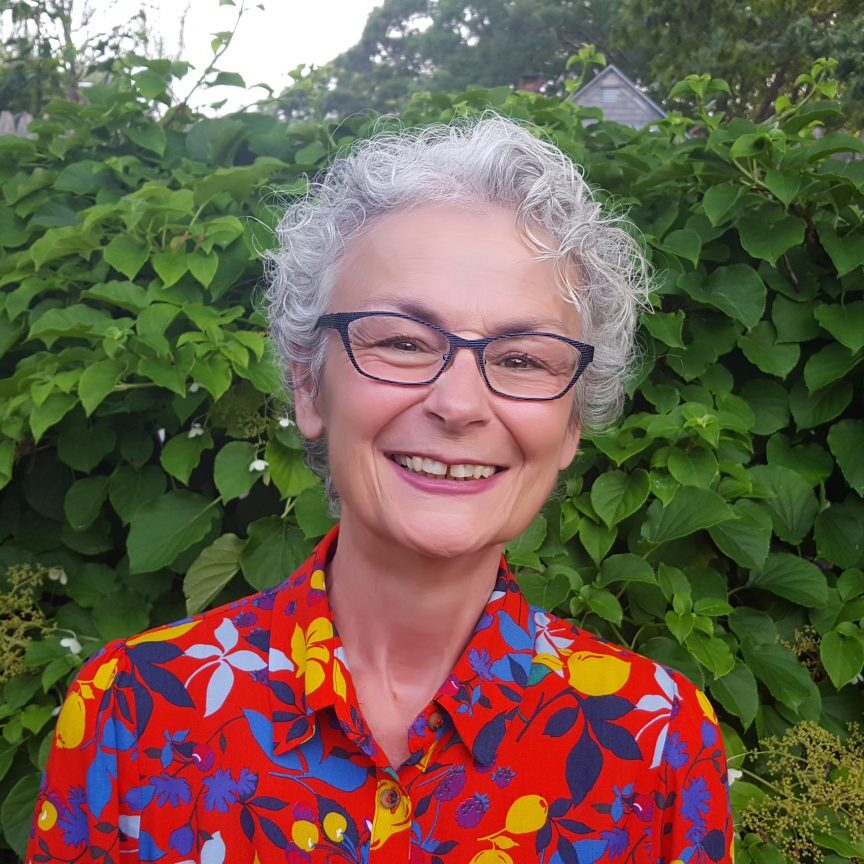
Rod Lund lives in Idaho, where Death with Dignity is not yet legal. He continues to advocate for medical aid in dying by sharing his mom’s story, who accessed Oregon’s Death with Dignity Act in March, 2001.
”My mom’s story is not just a personal one; it is a story that needs to be shared by all of us who believe in the power of freedom.” – Rod Lund
My mother, Carolyn, was a woman of remarkable strength and grace. Her life was defined by resilience, by her unyielding belief in personal agency, and by the deep conviction that every person deserves control over their own fate. But in the last chapter of her life, she faced a decision that no one should have to make alone—and she did so with the same courage she carried throughout her life. Sadly, I now live in Idaho, where the choice that my mom made is not yet legal. My heart aches knowing that, unlike her, I can’t help anyone in my family make the same decision when faced with the kind of terminal suffering she endured.

A Champion for Death with Dignity
My mom was an active advocate for the Death with Dignity movement, long before she made the most difficult choice of her life. She worked tirelessly on the campaign to pass Oregon’s Death with Dignity Act, pouring all her energy into the effort. As a former journalist for a New York Times-owned newspaper, my mom used her platform to rally support for the cause, believing with every ounce of her being that people facing terminal illness should have the right to make their own decisions about how and when they die. She never could have imagined that the law she fought for would one day provide her with the very choice she would need for herself.
My mom’s life was one of quiet strength. At just 25, after losing my dad, her beloved husband and an U.S. Air Force pilot, she made the brave choice to focus on raising their two children alone while pregnant with their third. She embraced motherhood with a determination that would shape her family’s future. She raised us to be strong, educated, and successful, each carrying on a legacy of resilience and independence.
On her 60th birthday, my siblings and I, all now accomplished adults, gathered in Yachats, Oregon to celebrate her life, gifting her a framed piece of art containing each of our business cards with the words, “You can relax now.” In that moment, tears flowed—not from sadness, but from the overwhelming joy for the life she worked tirelessly for—providing for herself and her children, full of purpose and love.

A Dream Life Ripped Away
Her retirement years on the Oregon coast were a dream come true. She built the home she had always envisioned, savoring the tranquility of her new life. But, in 1996, my mom’s world was turned upside down when she was diagnosed with metastatic breast cancer. Always healthy, this diagnosis came as a shock. Her spirit fought against the anger and disbelief, and she declared, “I can beat this thing…dammit.” She faced each treatment with determination, and there were moments of hope—times when she was free of cancer, traveling, and enjoying life again. But, as is the nature of metastatic cancer, it came back. This time, it spread to her brain. Her prognosis was grim.
It was in the midst of this battle that my fearless mother, with the clarity of someone who knew the inevitable was coming, asked her doctor a question that would define her final days: “What are my choices?” Knowing that her cancer was terminal this time, she made an informed decision to end her life on her own terms. She did not want to suffer, and she didn’t want her family to bear witness to that suffering either. It wasn’t a decision made lightly; it was a decision made out of love—for herself, and for us.
My Mom’s Final Act of Control and Love
I was there in her final days, holding her hand, when she asked me, with tears in her eyes, if I thought she was being a coward. I told her, through my own tears, that I didn’t think she was being a coward. I thought she was doing exactly what she had always done—taking control of her life. She had always lived on her own terms, and in the end, she chose to leave with the same dignity, strength, and grace she had shown throughout her entire life.
The right to die on her own terms, in the way that she had always lived her life—with dignity, control, and strength—was something my mom could not deny herself.
On March 5, 2001, my beautiful mother died peacefully in Yachats, Oregon, surrounded by her family. She chose to leave on her own terms, accessing Oregon’s Death with Dignity Law, with the same grace and dignity she carried throughout her life. That decision, made 24 years ago this year, was the most profound act of love she could give to herself—and to us, her family. Her choice to take control of her death left a legacy that I honor every day.
Advocating for the Freedom to Choose Aid in Dying
Living in Idaho, where Death with Dignity is not yet legal, fills me with a deep sense of frustration and grief. It pains me that decades later, I still live in a place where I cannot die on my own terms, in total control, and with those I love most around me—just like my mom. I believe, as my mother did, that every individual deserves the right to decide how and when they leave this world.
My mother’s decision to end her life with dignity, on her own terms, is why I fight and advocate for the rights of all terminally ill individuals to have the option to choose Death with Dignity. No one should be forced to endure unnecessary suffering at the end of their life. My mom’s story is not just a personal one; it is a story that needs to be shared by all of us who believe in the power of freedom.
I urge you to join me in supporting Death with Dignity, so that others—ourselves and those we love—may have the same right to a peaceful death. My mother’s life was one of conviction, courage, and self-determination. Now, it is our turn to carry that torch forward—so that no one has to face a life-ending illness without the dignity they deserve. If you share this belief with me, join me in signing the pledge to support Death with Dignity, and help fight to expand and protect end-of-life freedoms across the U.S.