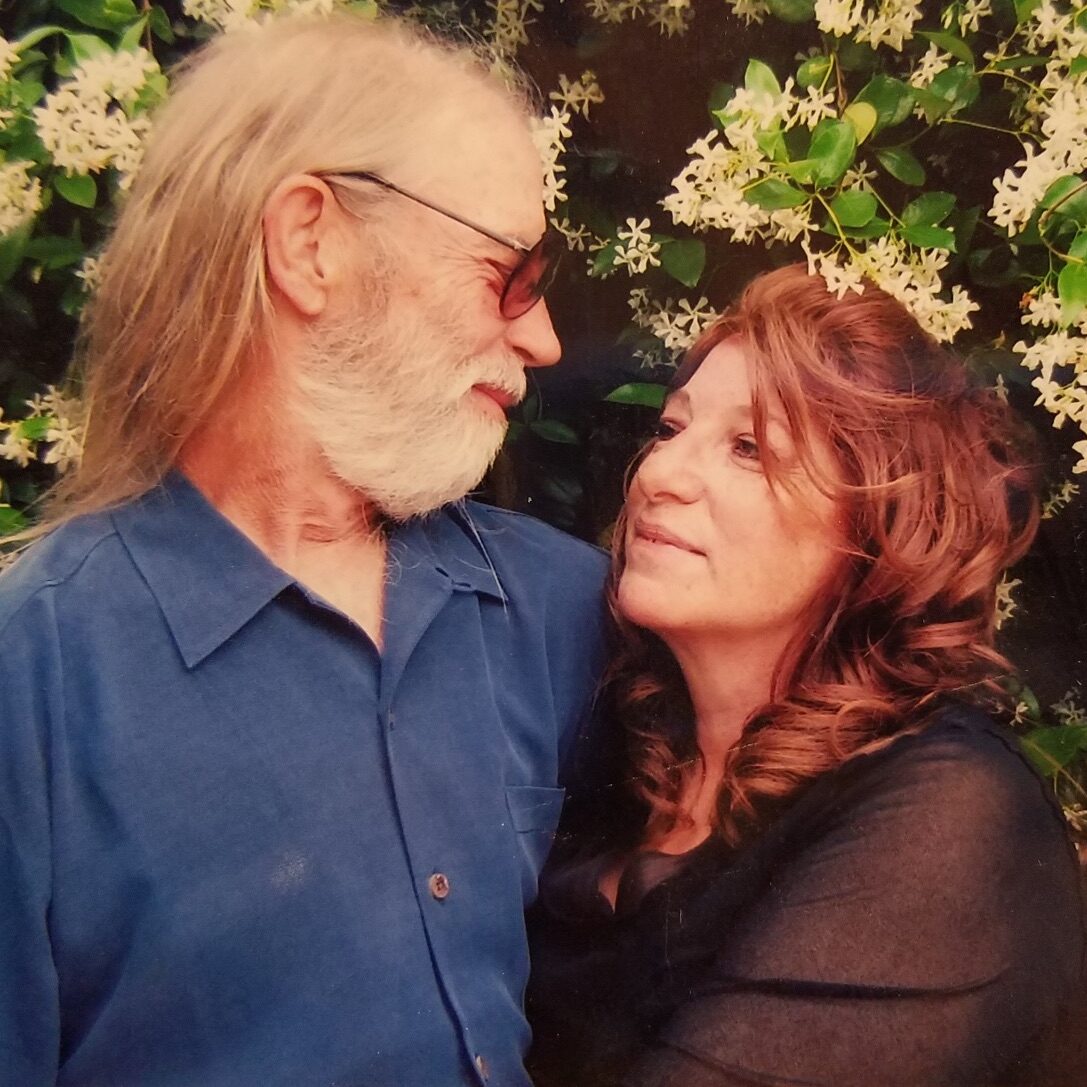
Jake Shannon lives in Colorado, and continues to fight for Death with Dignity, as well as promote grief awareness with his own nonprofit, Lynda’s Phones, in honor of his mom, Lynda Bluestein, a Connecticut resident who utilized Vermont’s Death with Dignity law in 2024.
”To me, Death with Dignity is more than a policy or a law. It’s about love.” – Jake Shannon
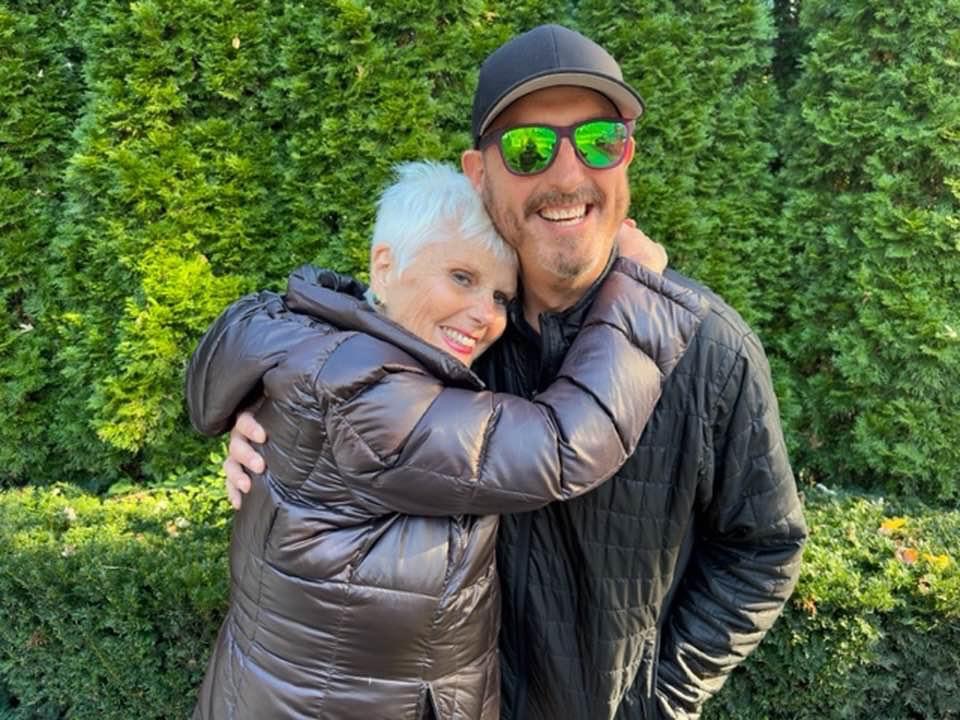
It’s said that life is defined by the moments we live, but the truth is, it’s also shaped by the moments we leave behind. For me, the defining moment of my life came while sitting at my mother’s side as she took her last breaths—after years of fighting for her right to die on her own terms—including suing the state of Vermont to access their medical aid in dying law.
In those final moments, surrounded by family, her peace was palpable, and ours, too, was a quiet kind of peace. I watched my beautiful mom, Lynda, the woman who had given everything for me, find release from the pain and suffering she had endured for so long.
But, amidst this long-anticipated moment, I couldn’t help but think: Why were we not in her home? Why were we hundreds of miles away in Vermont, as Connecticut’s legislature has continued to deny my mother and terminally ill people like her this end-of-life option?
That was when I knew her fight was just the beginning of what I know will be my lifelong advocacy for promoting end-of-life freedom, and ensuring Death with Dignity becomes a legal reality in every state.
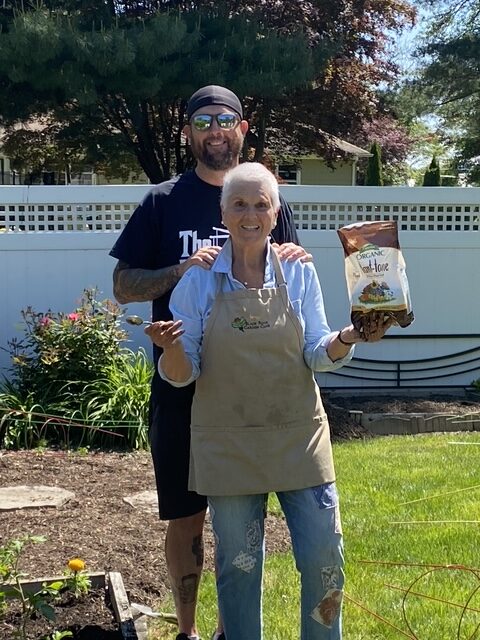
Continuing my Mom’s Fierce Advocacy for End-of-Life Choices
I’ve always believed in the importance of autonomy. Growing up, my mom instilled in me a deep understanding of what it means to lead, to take responsibility, and to trust oneself. Those lessons shaped me in ways I could never have anticipated. And when she died, I realized that my advocacy wasn’t just about politics or laws.
It was about the deeply personal, humane final decision that she was denied in her home state. And it’s a freedom that continues to be withheld from so many others.
We were forced to watch my mother suffer because she wasn’t allowed the option to die on her terms in Connecticut once she received her terminal diagnosis. And as I stood there with her, while her last moments were so full of grace, I couldn’t shake the feeling that her right to make that choice should have never been up for debate. Her last moments were beautiful, but they could have been so much more peaceful if she had the choice to end her life in her own home, at home where she belonged. Why should anyone, anywhere, be denied that dignity?
We live in a society where an overwhelming majority of Americans support medical aid in dying, yet a small, vocal minority continues to deny access to it. This is injustice. This is something we must change. We are talking about a person’s ability to make the most intimate and important decision of their life—how and when to die—and yet, this basic right is restricted in many states across the country. This is something that requires action, something that demands our voices to be heard.
Turning Grief into Advocacy for Death with Dignity
My life has been a tapestry of experiences that have prepared me for this moment. I’m a National Academic Scholar with degrees in Education and Political Science. I’ve marched in protests, been gassed by police, and testified to help pass laws I believe in. I’ve run a business, done the laborious work with chainsaws and sledgehammers, and fought for my children’s right to an education free from discrimination. I’ve spent over 20 years coaching young people and developing them into the next generation of good human beings. But it is the lessons I learned from my mother—of leadership, tough feedback, and the unwavering support for my instincts—that have truly shaped me.
These experiences, my education, and my personal life have given me the empathy, the patience, and the tools to speak out and advocate for change. Through my nonprofit, Lynda’s Phones, I am hoping to be the “Johnny Appleseed” of wind phones—a tool to help people process their grief and start necessary conversations about death.
In many ways, that’s what my advocacy for Death with Dignity is: it’s about creating a space where we can talk about the reality of death, where we honor the lives lived by supporting a person’s right to choose how they die.
Medical Aid in Dying: An Act of Love
To me, Death with Dignity is more than a policy or a law. It’s about love. It’s about saying, “Thank you, I love you,” in the most profound and powerful way possible. It’s about showing up for the people we love, not just in life, but during and after their death. It’s about respecting their choices, just as we respect their lives. When a person is faced with the unimaginable, they should have the right to choose how they leave this world, on their terms, with dignity and peace.
Aligning with Death with Dignity is a no-brainer for me. It is a movement that is not only advocating for the right to die with dignity but also for a person’s right to be heard, to make their own choices. That’s why I am here. I am here to help in whatever way I can because, like my mother, I believe in the right to live—and die—with dignity. Every state should provide its citizens with the option of medical aid in dying, and I will fight for that until it becomes a reality.
The legacy of my mother’s final moments has sparked a fire in me that will not be extinguished. And, I know my values align with the folks at Death with Dignity. Alongside them, I will continue to advocate, fight, and push until every person in every state can choose how they leave this world—with dignity, on their own terms, and surrounded by the love and support they deserve.
This is not just a fight for my mother, or for me—it is a fight for everyone who deserves the right to say goodbye on their own terms.
If you share these values and beliefs, I urge you to join me in signing the pledge to support Death with Dignity, and help fight to expand and protect end-of-life freedoms across the U.S.