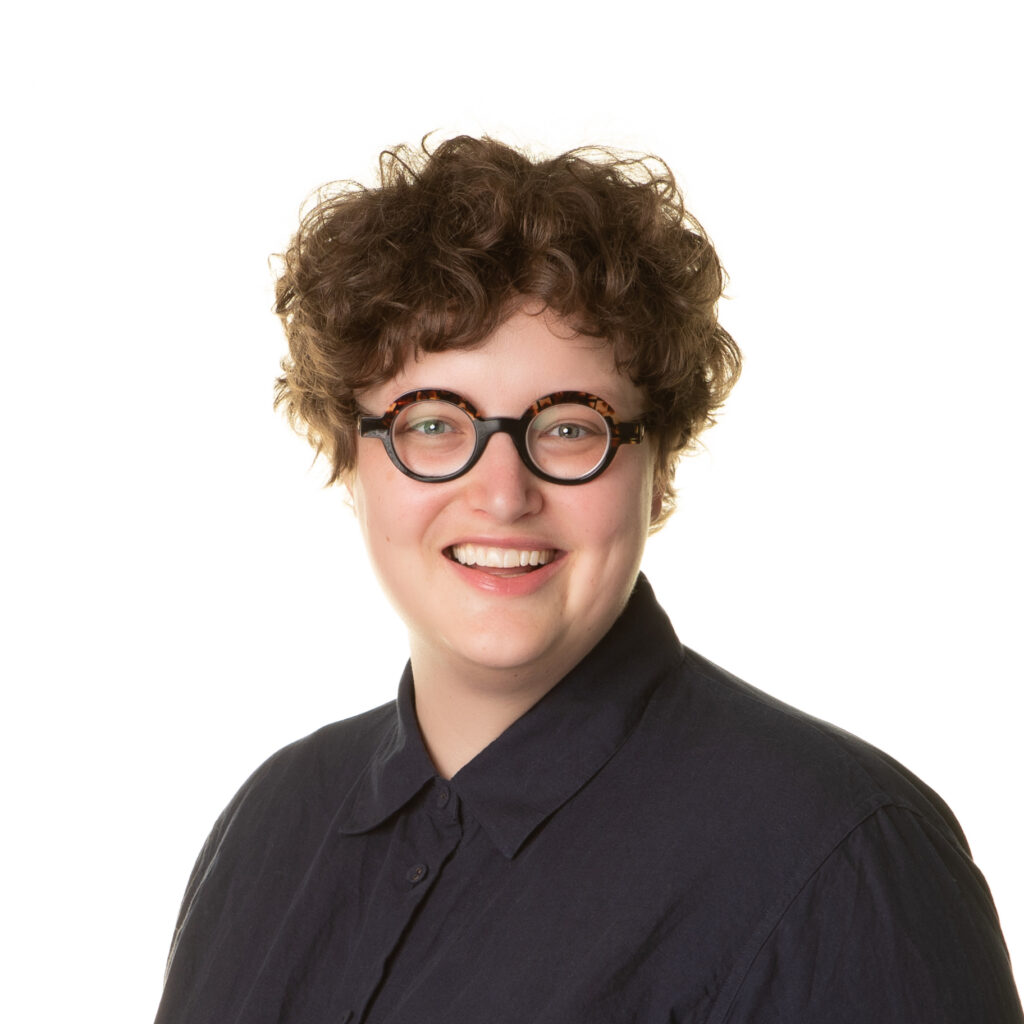
Nicole Dalmer, MLIS, PhD, is an Associate Professor with the Department of Health, Aging & Society at McMaster University and is an Acting Director of the Gilbrea Centre for Studies in Aging. Based in Hamilton, Ontario, Canada, she is one of the fellows in our 2025 Global Fellows in End-of-Life-Care, a program in partnership with The Completed Life Initiative. We recently interviewed her to learn more about her fellowship project and what‘s next for her work in end-of-life care.
A Vision for End-of-Life Care in Our Culture
Tell us a little bit about your project with the Global Fellows Program.
My project explores the many ways older adults access, find, seek, and share (and maybe avoid!) information related to end-of-life care. While death is universally experienced, the informational dimensions of dying are rarely examined, and older adults’ voices are often missing from these already-limited conversations. My research asks: how is end-of-life care information searched, found, and exchanged?
I was inspired by my earlier work as a librarian and my previous research with family caregivers of people living with dementia who expressed frustration and confusion about where to find reliable guidance around end-of-life decisions. Those conversations revealed that information about dying is not neutral—it’s deeply emotional, relational, and often inaccessible. Through this project, I’m exploring how we might make that information more human-centered and accessible. Feeling informed can have such a significant impact on whether or how we feel prepared for our end.
By treating information as a form of care in itself, I aim to design more responsive, human-centered ways for older adults to find and make sense of end-of-life care resources.
Building a Community Around Death & Dying
How do you build community around a topic that is difficult for some people and not for others? How do you want people to engage with your project?
My approach to this project has been one that involves creating space that invites reflection rather than prescriptive answers. By framing information-sharing as an act of care and connection, I hope older adults who have participated in my research (via an open-ended, qualitative survey) feel empowered rather than overwhelmed, viewing end-of-life information practices as opportunities for connection rather than avoidance. I want people to engage with this project not only as learners but as collaborators—bringing in and sharing their own experiences, questions, language, and search patterns and preferences. The community that grows from this work, I hope, will help normalize death conversations as part of living well. Ultimately, it’s about cultivating what others have called “death literacy”—a collective competence in facing mortality with compassion, confidence, and openness.
Learning from Others in End-of-Life Conversations
Each of the seven Fellows have joined this program from different backgrounds, experiences, and parts of the world. What have you learned from your peers and mentors? How have they furthered your ideas and pushed your vision forward?
The Global Fellows Program has provided me a truly rare and wonderful opportunity to learn from peers who each represent a wide range of disciplines and cultural and geographic contexts. My phenomenal cohort includes human rights advocates, educators, artists, and clinicians—each bringing distinct cultural and ethical perspectives to questions of dying and care. Through our monthly meetings and WhatsApp messages, I have come to better appreciate the enormously rich diversity in how dying is conceptualized and (un)supported. These conversations and their stories and experiences have encouraged me to more deeply consider the intersections of culture, justice, and access in shaping end-of-life experiences (and information seeking).
The mentorship and thoughtful feedback I’ve received have also pushed me to more boldly consider how my research can create real-world change, linking research with practice to think about how my findings can tangibly support older adults, their care networks, and policymakers. These conversations remind me that while dying is a personal experience, how we support it is profoundly collective.
The Fellowship has helped me reimagine my work not as an isolated piece of scholarship, but as part of a broader movement that is working to normalize compassionate, equitable, and informed approaches to dying, death, and bereavement.
Looking Ahead: The Future of End-of-Life Care
When it comes to reimagining dying, what do you hope to see more of in our lifetime in your community and across the world? What’s next for your work in this space?
I hope to see a cultural shift where dying is not framed as an individual or medical “failure” but as a shared, meaningful part of life.
Communities need to become both age-friendly and death-friendly—where conversations about mortality, care, and remembrance are normalized (and even encouraged!) across generations. In practical terms, this means embedding end-of-life literacy into education, care settings, and public life over the life course.
My next steps will focus on developing and sharing death literacy workshops that help older adults and care providers (among others) navigate end-of-life information with confidence and compassion. I also plan to produce open-access best practice guides to support different community organizations (including public libraries) in delivering more transparent and responsive information about end of life for older adults.
These resources will be freely available to promote broader accessibility and adaptation across diverse care and community contexts. The larger goal is to embed death literacy into public life (building on that goal of death-friendly communities), fostering informed and empathetic approaches to death. Ultimately, in this vision, living well and dying well are seen as inseparable parts of our everyday, human experience.
To learn more about Nicole Dalmer’s work, visit her website, connect with her on LinkedIn, and follow her on Bluesky.