By Elia Lawatsch
Over the years at Death with Dignity, working with our storytellers—patients, loved ones, caregivers, clinicians—I’ve learned a powerful lesson: joy and laughter are not just possible in the face of grief…they are essential. As I’ve listened to these individuals share their deeply personal experiences, I’ve come to understand that while pondering our end-of-life options can be an emotionally complex journey, it is also a time when moments of levity and humor can serve as a crucial part of healing.
Finding Joy Amid Grief: The Healing Power of Humor in So Sorry for Your Loss
I’ve read so many books about grief, loss, death, and all things in between, but never one quite like So Sorry for Your Loss, where author Dina Gachman offers a unique and refreshing perspective on grief—one that combines the rawness of mourning with the unexpected relief of humor. Drawing from her own experience of losing her mother and sister in quick succession, Gachman bravely and candidly explores the complex emotions that arise after a loss. Her voice is both vulnerable and irreverent, reminding us that it’s possible to find light even in the darkest of times.
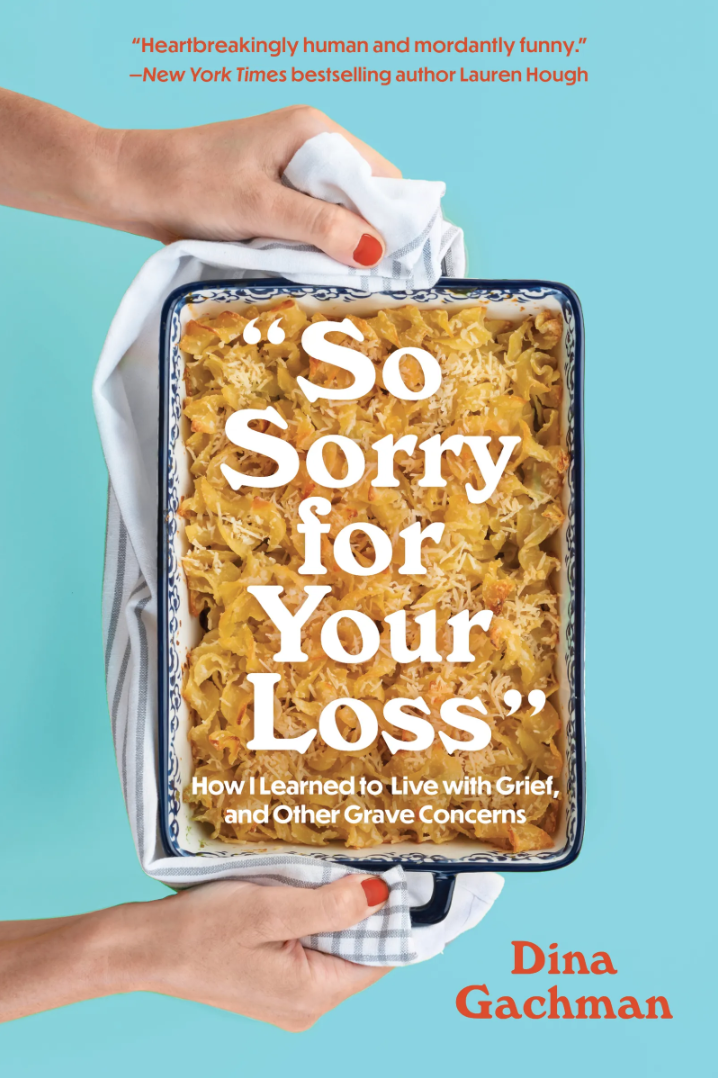
“Accepting the finality of death is a painful step in the process of learning to ache for someone forever, while allowing yourself to experience life, and moments of joy, even as you hurt.” – Dana Gachman
The beauty of So Sorry for Your Loss lies in how it strikes a balance between humor and the emotional intensity of grief. Gachman doesn’t shy away from the heavy, complex feelings that loss brings. She’s open about the pain, but she also allows space for moments of lightness, humor, and even absurdity. In doing so, she offers readers a new lens through which to view grief—not as something to be purely endured, but as something that can be navigated with resilience, humanity, and yes, a little laughter.
Grief, Joy, and the Death with Dignity Movement
This book deeply resonated with me, as it made me think about some of the people I’ve been lucky enough to know throughout my years working at Death with Dignity. Like Gachman, they didn’t shy away from the heavy, complex feelings that loss brings—whether they were facing their own death or preparing for their loved one accessing medical aid in dying.
I fondly remember Ann Keller, who reached out to me about a week before her death, to share her story in hopes that it would shed light on the need to expand access to Death with Dignity nationwide. Ann was candid, she was frank, and she gave me permission to laugh with her. Her joy and demeanor were infectious, and I will forever cherish the several conversations I had with her, many of which were filled with chuckles and candid recollections of her very beautiful life. This book also made me think of Liz and Bev, tireless advocates for passing Death with Dignity in Massachusetts, who not only emanate love and joy in every interaction I’ve had with them, but also moments of levity. I remember when we made this video, and Bev made a joke about Liz feeding her “mocha chip ice cream,” the last thing she would ever taste, and feeling the genuine love (and humor) radiating through me.
The Power of Humor in Processing Grief
For many, the idea of laughing after a loss might seem counterintuitive, or even disrespectful. But Gachman already confirms what I know to be true about death and grief from working with so many patients and loved ones over the years: humor can serve as a powerful tool for processing grief. It doesn’t diminish the pain, but rather provides a sense of relief, offering small moments of connection and healing when everything else feels overwhelming. Humor, Gachman suggests, can help people cope by allowing them to step back and view their experience with a bit more perspective.
Reclaiming Joy After Loss Is Not Only Possible, It’s Vital
Ultimately, my experience with these remarkable individuals has shown me that laughter and grief are not opposites—they can coexist. The Death with Dignity movement, through the courage of our storytellers, continues to offer not only a path toward peaceful death but a reminder that even in the face of loss, it’s possible—and necessary—to find joy along the way.
If these sentiments resonate with you, I suggest you check out So Sorry for Your Loss. It’s more than just a book about grief—it’s a guide for anyone looking to hold onto joy, even when life feels like it’s falling apart.