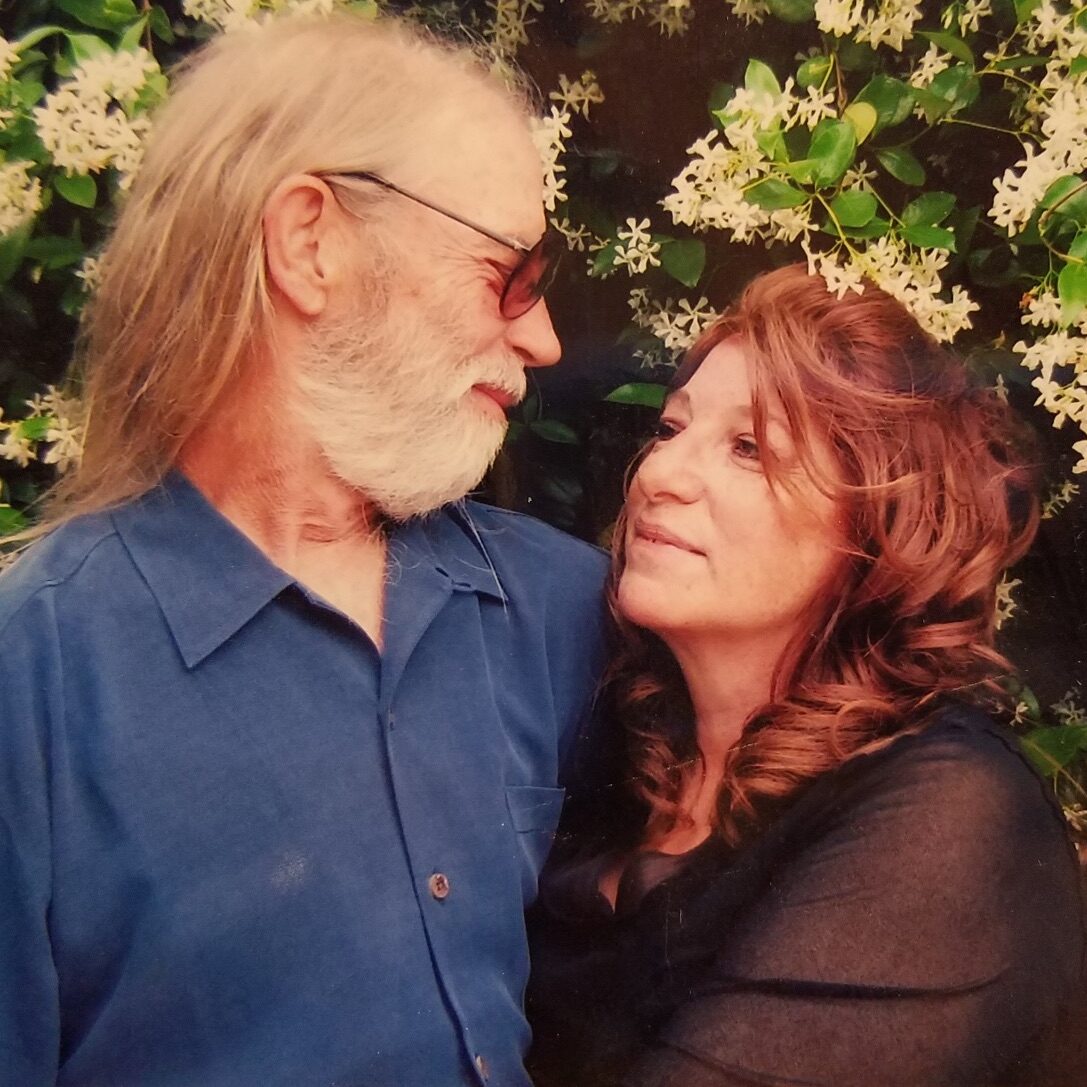
Bill is a retired attorney living with Stage IV lung cancer advocating alongside Death with Dignity in Massachusetts. He is speaking out as lawmakers continue to consider medical aid-in-dying (MAID) legislation through the end of this month. He hopes no terminally ill person will ever be denied access to this compassionate end-of-life option.
Before cancer entered my life, I never imagined that at 84 years old I would be fighting for something as basic as the right to decide how my own story ends. I’m a widower living in Mashpee, Massachusetts. I have two grown children and six grandchildren, and for most of my life, illness was never something I spent much time thinking about.
I grew up in a family of educated professionals who were also amateur symphonic musicians. Music was my passion, and when I attended Rutgers University, I declared myself a music major without any clear idea of where it would lead. To everyone’s surprise—especially my own—my grades improved dramatically, eventually opening the door to law school at Boston University.
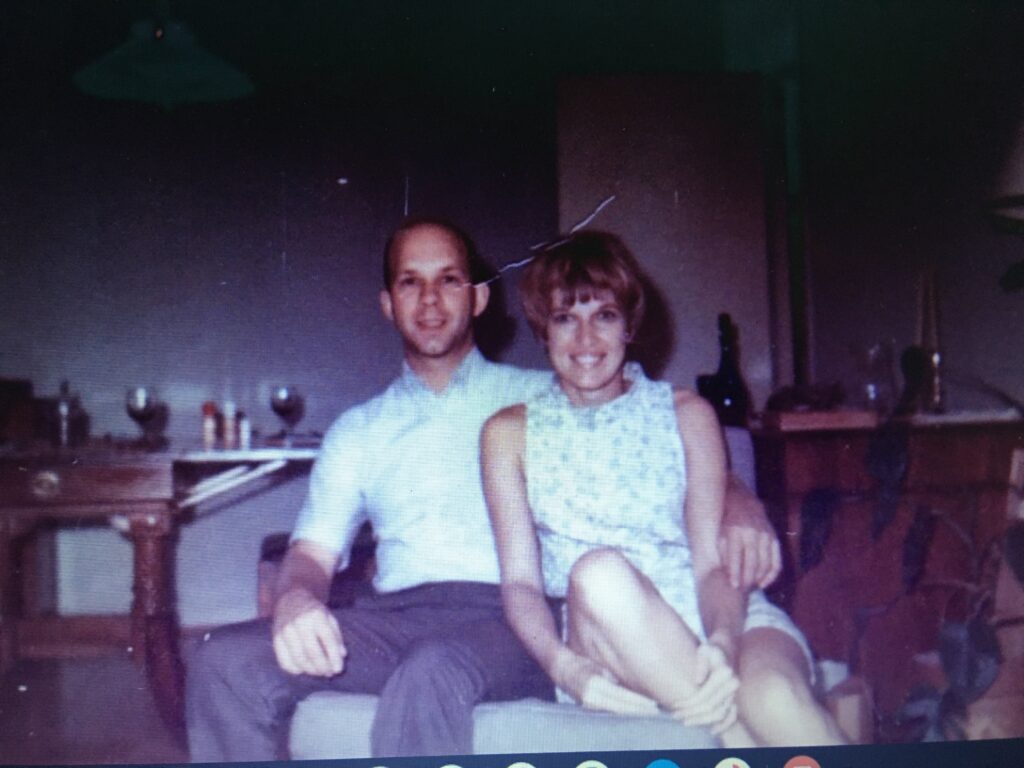
During my third year, I met my future wife, Gaye Flanagan, on a blind date. She was working at Harvard Legal Aid, and I had recently been a student volunteer at Boston Legal Aid, so we connected immediately. Eighteen months later, we were married.
We spent the next 52 years building a life together.
My career took us to Fort Campbell, Kentucky, where I served as an Army JAG Corps lawyer, then to Brockton and Scituate, Massachusetts, before Gaye and I retired in 2007. She worked as a legal assistant and secretary in downtown Boston, while I spent decades in title insurance and served as co-chair of the Boston Bar Association Legislative Committee for eight years.
Eventually, we split our time between homes in Florida and Cape Cod. Five years ago, Gaye passed away. Today, I live alone in Mashpee, surrounded by memories of the life we built together.
For most of my adult life, I stayed active. I gave up cigarettes at 29 when I took up distance running, and I continued to run, play tennis, golf, sail, and later enjoy pickleball well into my retirement.
Then, three years ago, an ache in my side changed everything.
Living With a Terminal Illness
What began as persistent pain led my doctor to order a chest X-ray. Two days later, I learned that I had inoperable Stage IV lung cancer.
After a biopsy, I was told there was no cure. Chemotherapy and radiation might buy me some time, but my life expectancy was estimated at six to twelve months. My oncologist described an abbreviated future defined by treatment, declining independence, and pain management.
Then came an unexpected phone call.
The final genetic tests showed that I qualified for a recently approved medication called Tagrisso. Instead of beginning chemotherapy immediately, I could take a daily pill that might slow the progression of my cancer for 18 to 24 months.
It would not cure me, but it would buy me time.
For nearly three years, Tagrisso has done exactly that. The side effects have not been pleasant, but they have been manageable. More importantly, the medication has allowed me to keep living my life until recently. Even after my diagnosis, I was still able to play tennis, pickleball, and golf.

In October 2025, however, my oncologist told me that the cancer was beginning to progress.
I was given a choice: begin weekly chemotherapy and perhaps extend my life to about a year, or decline treatment and preserve the quality of life I still had.
At the time, I felt fine. I could still move, exercise, and enjoy my independence. I decided to reject chemotherapy in hopes of continuing that life for as long as possible.
Nine months have passed since then. I remain active for an 84-year-old, but recent tests suggest that this chapter may be coming to an end.
Why I Support Death With Dignity
As my cancer advances, I expect to lose control over my body and become increasingly dependent on pain medication to manage what could be weeks or months of unbearable suffering.
I cannot see the value in that suffering.
At some point, I may face endless pain with nothing ahead except more pain. If that day comes, I believe I should have the freedom to end my life peacefully, under reasonable and controlled circumstances.
It is my life. Why shouldn’t I have the right to say how it ends?
My daughter and son-in-law live in southern Maine, where MAID is legal. As my illness progresses, I may have to consider leaving my home in Massachusetts and traveling there to seek this end-of-life option under Maine law.
But I do not want to leave my home. After a lifetime in Massachusetts, after building a family and a career here, after losing my wife and continuing on alone, I should not have to cross state lines to access the compassionate end-of-life option that residents of other states already have. No one should.
Massachusetts has long prided itself on being forward-thinking and well-educated. Yet on this issue, we lag behind many other states that have recognized the importance of giving terminally ill adults autonomy at the end of life.
The Massachusetts Legislature is still considering the End of Life Options Act (H2505/S1486) through the end of this month. I hope lawmakers will recognize that terminally ill people deserve choices—and that the fears often raised by opponents simply do not match the reality in states where these laws already exist.
My Faith, My Values, and Religious Freedom
The Catholic Church remains one of the most powerful opponents of Death with Dignity laws. Apparently, it finds meaning and redemption in suffering.
I respect the right of Catholics to follow those teachings. But as someone raised in a Protestant family, I do not believe that those beliefs should dictate the end-of-life decisions of everyone else.
My family believed in the teachings of Jesus Christ and maintained high ethical standards. Today, I consider myself a skeptic. I believe that the universe has some form of creator, but I do not believe there is sufficient evidence to determine that creator’s identity or nature.
What I do believe is that religious freedom cuts both ways.
If a religion wishes to prohibit MAID for its own members, that is its right. But it has no business telling people outside of that faith what they can and cannot do with their own lives—especially at life’s end.
I do not believe that taking medication to avoid a prolonged and agonizing death would offend my creator. To me, Death with Dignity represents something profoundly human: the freedom to meet death peacefully, in accordance with my own values and conscience.
Help Ensure No One Faces This Choice Alone
I am deeply grateful for the staff, volunteers, and advocates who continue to fight for Death with Dignity in Massachusetts and across the country. Their work means a great deal to me.
Right now, lawmakers still have an opportunity to act before the legislative session ends this month. Terminally ill people should not be forced to suffer unnecessarily or leave the homes they love in search of compassionate care elsewhere. Not in Massachusetts, or any other state that has yet to pass this deeply important law.