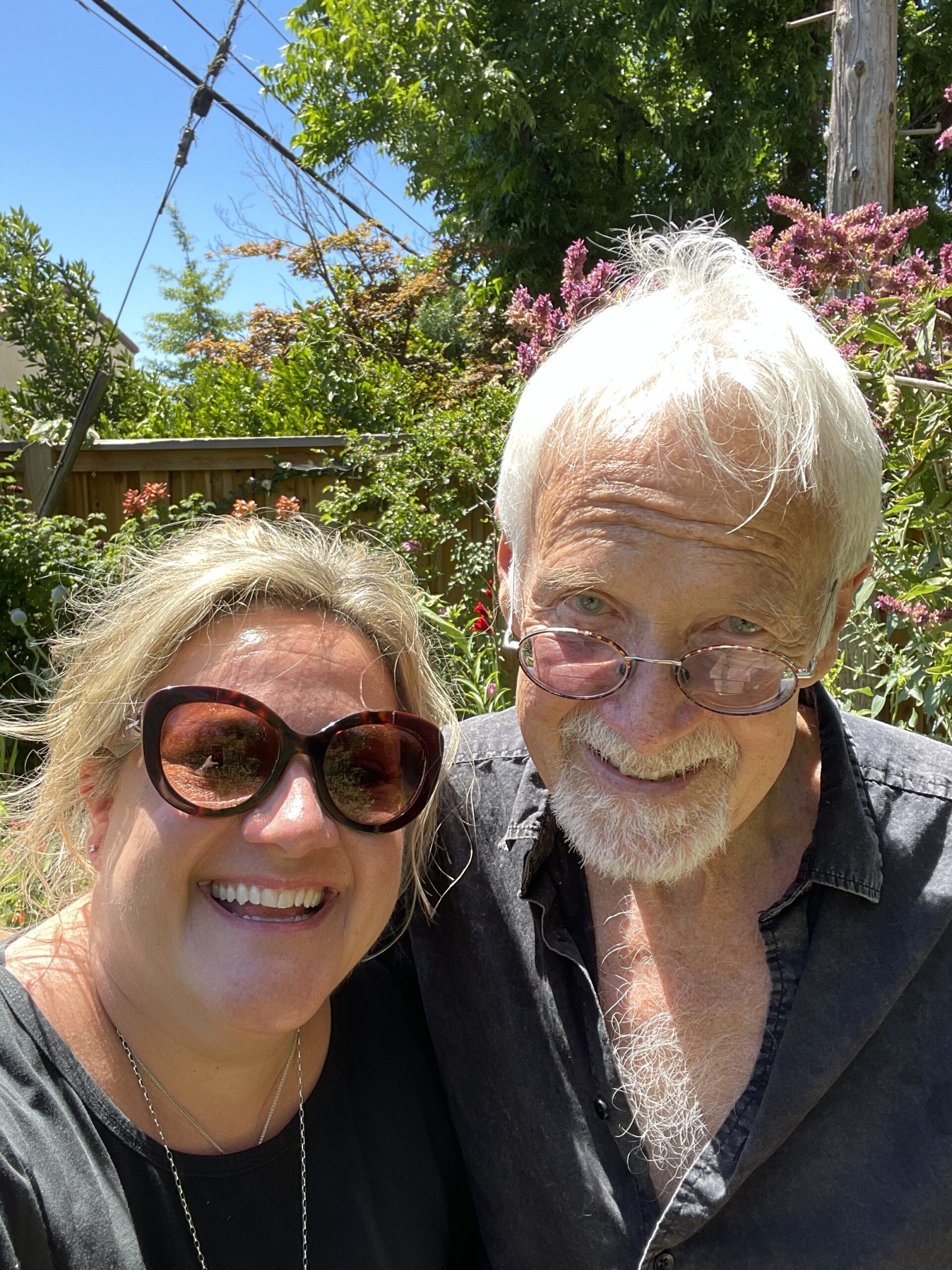
“I want to be a kind of doula for these families that brings calmness, information, and support in moments that will likely feel overwhelming.”
Catherine is a death doula in Illinois, supporting people and families through the most vulnerable moments of their lives. For years, she has sat beside those facing terminal illness—witnessing firsthand what it means to reach the end of life without access to medical aid in dying, and the impossible choices that can force patients to suffer longer than they should.
Now, with Illinois’ Death with Dignity law set to take effect this September, Catherine is preparing to ensure people understand their expanded end-of-life rights, and have access to the compassionate care they may choose for themselves. As some opponents continue efforts to challenge or undo this law, she is speaking out because she has seen what’s at stake when people are left without options.
I’ve been a death doula for some time, even before I knew there was a term for it. I was raised in an Irish Catholic home, where death wasn’t hidden or treated like something unspeakable. It was part of life. People gathered. People grieved. No one was left alone in it.
As I got older, I came to understand that not everyone has that experience. For many people, death can feel unfamiliar, even overwhelming, not because they are incapable of facing it, but because our culture often avoids it. I found myself naturally stepping into a role of simply being present: sitting quietly with people when things felt heavy, and helping them feel less alone.
A few years ago, while volunteering for hospice, I learned there was a name for this work. I went back to school, formalized my training, and became a death doula. As an older woman, I’m grateful to be in a role where experience matters, where presence, steadiness, and perspective are not only valued, but needed.
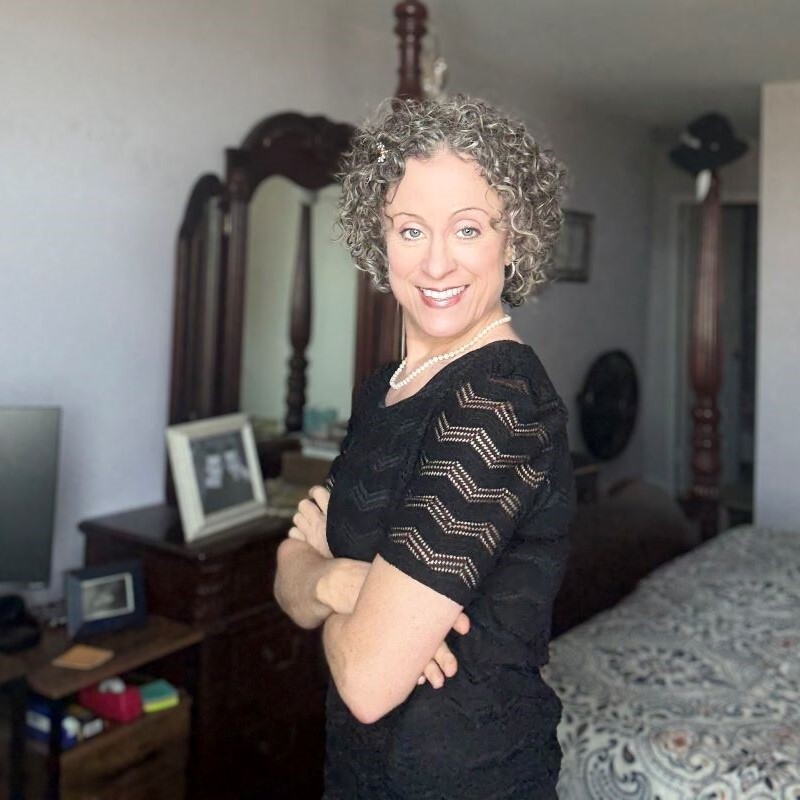
What I’ve Learned Sitting with People At the End of Life
In this work, I’ve met so many people who are surprised by how much is still available to them at the end of life, and also how often they are making decisions under emotional and physical pressure, without fully understanding their options.
Hospice and palliative care are deeply important and often bring comfort, but in the places I’ve worked, medical aid in dying (MAID) was not available. That absence matters immensely.
I once supported a client I’ll call Michael, who was facing a terminal illness that would lead to a painful and prolonged decline. What I remember most is not just his fear, but the sense of the narrowing options he felt as things progressed.
Without access to MAID, Michael had to consider options no one should. There was no path forward that felt gentle or aligned with what he wanted for the end of his life. What stayed with me most was how alone the decision-making process can feel for people, and how deeply they want to make choices to reflect their values, even in the hardest moments.
The alternative was to keep suffering, waiting for the illness to take everything.
Experiences like that have changed me. My belief in bodily autonomy is more urgent and grounded in reality, not an abstract principle, but lived experience.
Death with Dignity in Illinois Goes Into Effect This September—and Everything Is Changing
SB1950, the Illinois End-of-Life Options for Terminally Ill Patients Act, also known as Deb’s Law, was signed in late 2025 by Governor Pritzker, and MAID will finally be available starting this September. I feel both hopeful and intensely aware of how much work lies ahead.
I’m preparing now, studying the law closely, connecting with other end-of-life professionals, and thinking carefully about how to support people as they navigate this option for the first time. Many dying patients and their loved ones will need clear information, steady guidance, and someone who can help them understand what this process actually looks like.
I want to be a kind of doula for these families that brings calmness, information, and support in moments that will likely feel overwhelming.
Bodily Autonomy Should Not Depend on Someone Else’s Beliefs
To lawmakers in states without this law, I say this: people are already suffering. People are already dying. The only question is whether we will allow them dignity, comfort, and choice—or whether we will force them into unnecessary pain against their will.
And to people who oppose MAID, I have a simple response: if you don’t believe in it, don’t use it.
But you should not be allowed to stand in the way of a dying patient who is making the most difficult decision of their life. No one should be forced to live and die under the rules of a religion or a mindset that isn’t theirs.
Attempts to Remove Access to Aid in Dying Are Just Plain Cruel
I’m alarmed by attempts to repeal this law.
This is a reminder that we must be ever vigilant of attempts to eradicate our hard-earned freedoms. This law represents relief for real people: patients who are terrified, loved ones who are desperate to help, and clinicians who want to offer compassionate care.
Trying to block it doesn’t protect anyone. It only traps terminally ill people into more suffering. It forces them back into impossible choices. It takes a humane option away and replaces it with fear.
And after everything I have witnessed firsthand, I can say clearly: that is horrendous.
Share Your Story
Not everyone is a death doula. Not everyone sits beside the dying. But everyone has a role in how we talk about and shape end-of-life care.
Advocacy doesn’t have to look the same for everyone. Sometimes it is speaking out. And, sometimes it is quietly sharing a story. Other times, it is simply being willing to talk about death with more honesty and less fear.
But stories matter. They change minds and move lawmakers. They remind the public that this is personal.If you or someone you love has faced terminal illness, end-of-life suffering, or the painful reality of having no options, sharing your story is one of the most powerful actions you can take. No step is too small, and no voice is insignificant, especially when the stakes are this high.