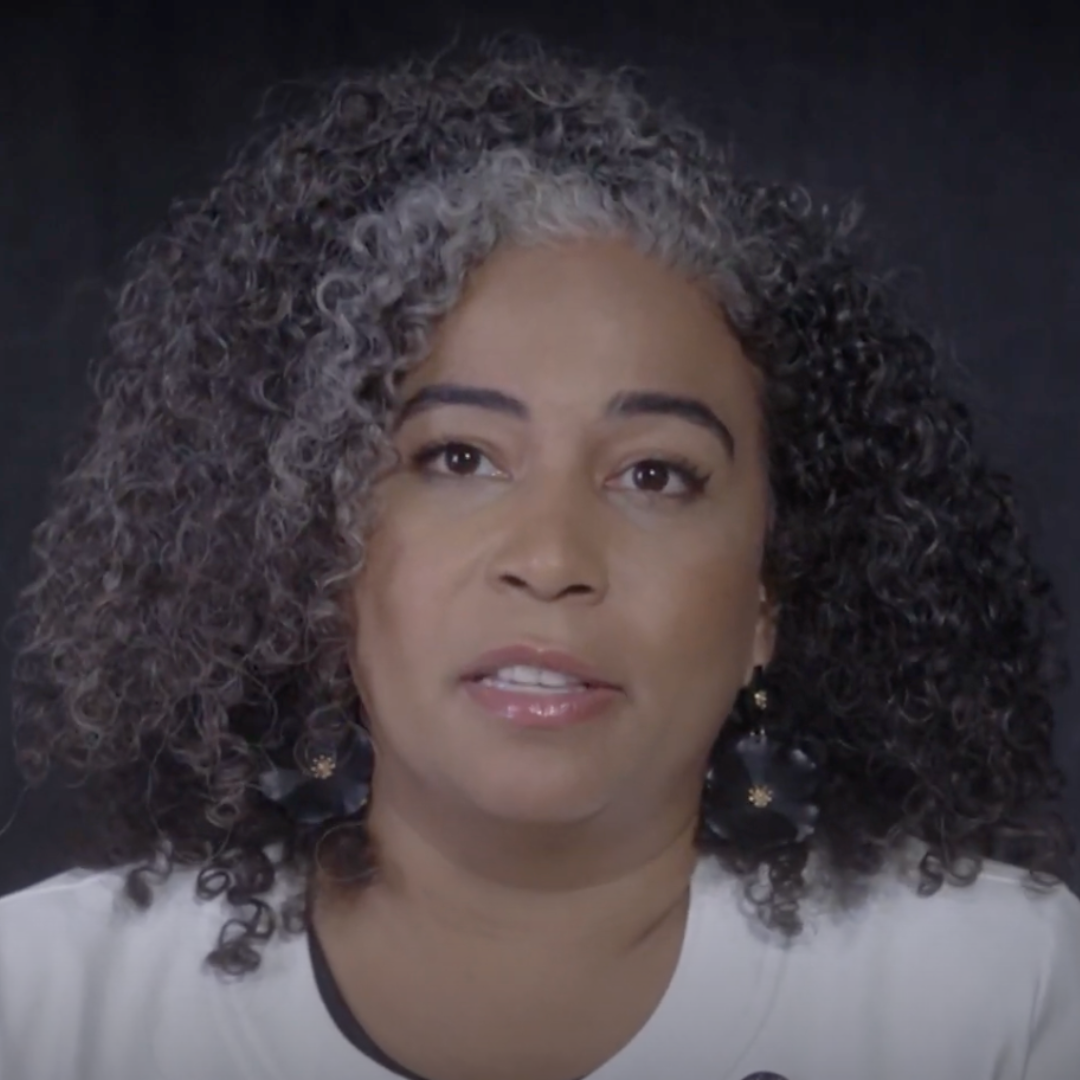
Linda lives in Colorado, and continues to advocate to keep Death with Dignity available in her state, as well as expand this critical end-of-life option across the country, through advocacy and education. She supported her partner, Tom, in accessing the End of Life Options Act in 2022.
“Have a good trip, Papa.”
After a decade together, our shared life reached its final, sacred chapter two days after Christmas, 2022. In the quiet wake of the holiday, my partner Tom chose to use medical aid in dying (MAID), to step away from the world with the same thoughtful intentionality he had used to navigate it.
It was a heartbreaking, yet beautiful goodbye—a final, loving gift for himself and our family. By controlling his own departure, Tom turned a moment of immense loss into a profound legacy of love and grace.
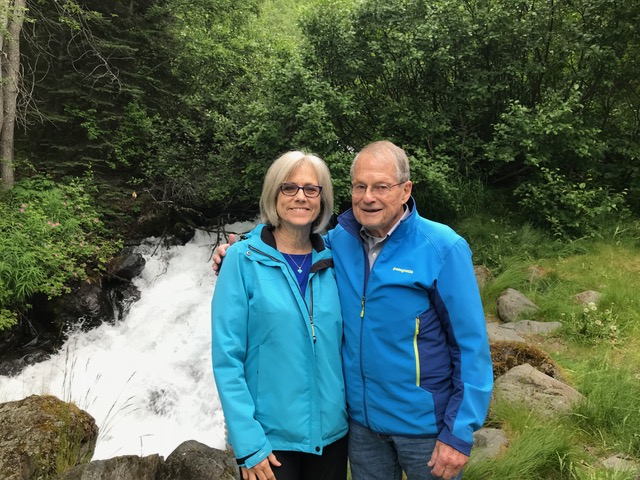
Who Tom Was: A Life Guided by Curiosity, Nature, and Problem-Solving
Tom spent his life solving problems. A civil engineer by trade, he helped design and build parks, bike paths, dams, and wastewater systems—projects that quietly improve people’s lives every day. He believed that any problem could be solved with patience, creativity, and a willingness to think differently.
That mindset shaped how he approached life—and eventually, how he approached death. Years ago, Tom bought an old cabin in northern Colorado that wasn’t even winterized and moved his family of four there to live year-round. He turned it into an off-grid homestead on an expanse of land. He loved nature and was endlessly curious about how the world worked. When his children were young, he would point out the cycles of life all around them, animals, plants, and the changing seasons.
Fall was his favorite time of year. He loved the drama of it, especially the way the aspen leaves would turn brown and finally release their grip, floating gently to the ground. For Tom, those leaves were a reminder that letting go was part of life’s natural rhythm.
More than forty years sober, Tom believed deeply in living honestly and taking responsibility for your life. He often talked about the importance of “cleaning up any messes” along the way so that nothing important was left unresolved.
So when his health began to decline, after surviving a quintuple bypass years earlier and later developing Parkinson’s disease, Tom approached it with the same clarity and acceptance he brought to everything else.
He didn’t see death as a failure. He saw it as a natural part of life.
Preparing for the End of Life with Love, Intention, and Honest Conversations
Tom had cared for many family members at the end of their lives. He had sat beside hospital beds for long hours and watched people endure painful and drawn-out deaths. He knew how exhausting and heartbreaking those experiences could be, not only for the person dying but for everyone who loved them.
He wanted something different for himself. He let his family know he was going to choose MAID.
As Tom’s illness became terminal and his health worsened, he invited family members to sit with him privately so that anything needing to be said could be said. There were heartfelt conversations, quiet moments of reflection, and plenty of laughter too.
When people left those visits, he often gave them something meaningful to remember him by. An ice pick went to his mountain-climbing daughter. His old hiking boots went to a close friend who planned to turn them into an art sculpture. Favorite hats and flannel shirts found their way into the hands of other loved ones.
Tom had seen what happens when families are left to sort through someone’s belongings after a sudden death. He didn’t want that burden to fall on me. Instead, he gave away most of what he owned while he was still here to see the joy it brought.
A Final Goodbye: A Granddaughter’s Last Words
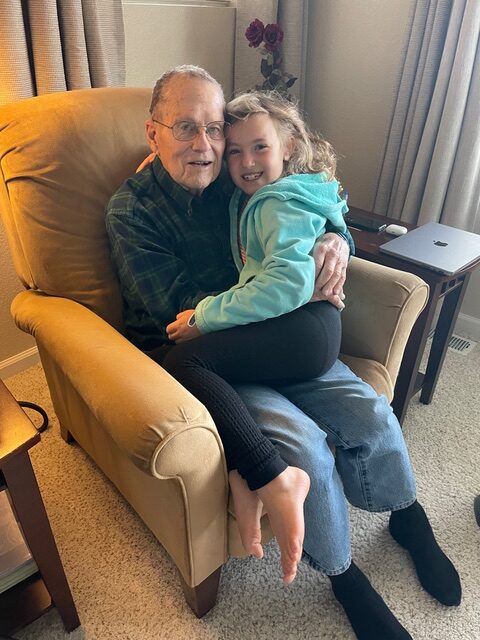
A few days before Tom died, his three-year-old granddaughter came over to see him one last time. She asked if she could go into the bedroom and hug him. We let her know she could, but explained that he might not wake up.
She walked into the room just as she had so many times before and leaned over the bed to hug him. To our surprise, Tom stirred and opened his eyes.
“I’m going on a journey,” he told her softly. “And you know I love journeys.”
She thought about that for a moment and then replied, “Have a good trip, Papa.”
Those were the last words they shared.
What Death with Dignity Looked Like for Tom and Our Family
When Tom decided it was time, he approached his final day with the precision of an engineer. He told family members they were welcome to be present, or not, and that the choice was entirely theirs.
Two of his daughters, both with medical backgrounds, chose to be by his side. One is a paramedic and the other a veterinarian. One daughter would mix the medication, while the other would have sherbet ready afterward to soothe his throat.
As the day approached, the atmosphere in the house began to change. In the hours beforehand, a deep stillness settled over everything. The air felt dense and quiet, almost sacred.
Tom invited the three of us who would be with him in the room to meditate together. Afterward, he played the first songs from a playlist he had carefully created, music that would continue softly in the background for hours.
Then he stood up and gave each of us a hug.
He climbed into bed, and one daughter handed him the prepared medication. He had been practicing drinking four ounces quickly, and when the moment came, he finished it just as fast.
His other daughter handed him sherbet to cool his throat, and then the girls quietly left the room, just as he had asked them to.
He curled up in my arms. And he died peacefully.
How Medical Aid in Dying Allowed Tom to Die with Dignity at Home
Tom once received a t-shirt from another granddaughter that read, “Engineers solve problems you didn’t know you had in ways you can’t understand.” In his final act, Tom did exactly that. He showed our family a different way to die.
Of course there was grief—losing him left a tremendous void in all of our lives. But there was also a deep sense of peace. No one was traumatized by painful medical interventions or haunting hospital scenes. No one was left with terrible final images or unfinished conversations.
Instead, we were surrounded by love, knowing that he remained in control up until his last breath.
Why Protecting Medical Aid in Dying in Colorado Matters
For more than forty years, I have supported people through end-of-life care. During that time, I have seen how traumatic death can be when people’s end-of-life wishes aren’t honored.
Our family’s experience was the opposite. What we carry with us are memories of love, connection, and gratitude for the life Tom lived.
That difference is why Colorado’s End of Life Options Act must remain intact.
Right now, lawsuits are threatening this compassionate option. If the law were weakened or taken away, people facing unbearable suffering, and the families who love them, could lose the ability to say goodbye with intention, peace, and dignity.
MAID does not force anyone to make a particular choice. It simply ensures that people facing the end of life have the option to decide how they want that final chapter to unfold. For our family, that option made all the difference.
Tom’s Legacy: Why the Right to Die with Dignity Must Be Protected
Tom died during the kind of weather he loved most, cold, gray, and wintry. Looking back, it almost felt as if he had orchestrated it perfectly. His death was hard and heartbreaking, but it was also tender, intentional, and sacred. It showed us that dying, like living, can be approached with love, courage, and care. And it reminded us why protecting the right to die with dignity matters so deeply.
Stories like Tom’s show what compassionate end-of-life options make possible, and why they must remain available for the families who need them. Please join me in sharing your story today.