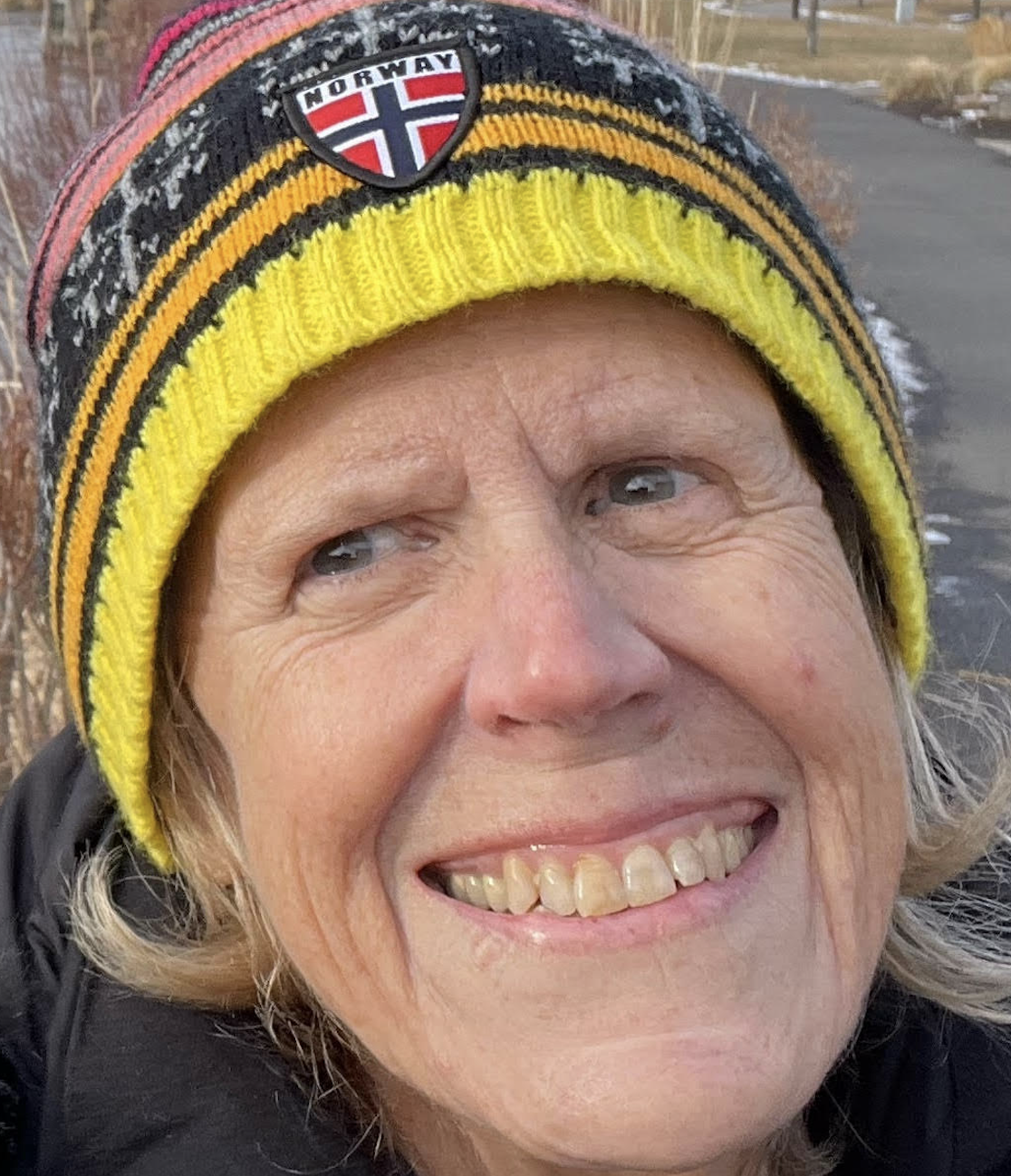
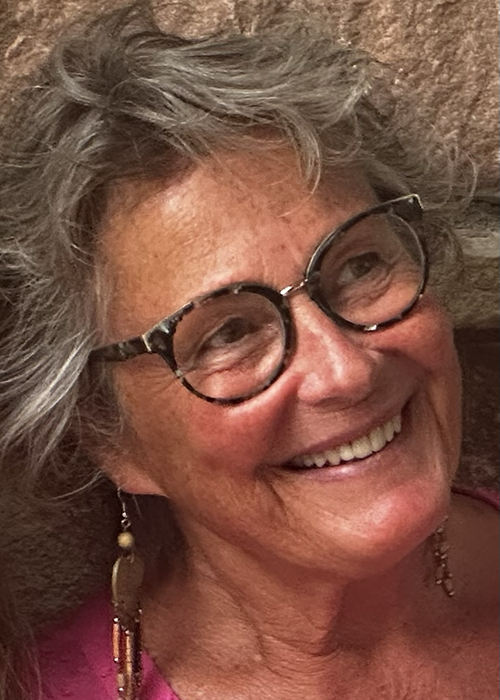
Sean is a longtime advocate alongside Death with Dignity and lives in Colorado, where she has supported countless families in navigating end-of-life choices in her work as a grief counselor, hospice chaplain, and palliative care specialist. Now retired, Sean continues to advocate to keep medical aid in dying available in Colorado, as well as expand options for terminally ill patients nationwide.
When you work in hospice and end-of-life care long enough, you see the full spectrum of what dying looks like.
I have spent most of my life walking alongside people at the most vulnerable moments of their lives.
For years I worked as a Montessori teacher, helping young children take their first steps into the world. But when my mother died in 2000, something shifted inside me. I felt called to a different kind of work—supporting people at the other end of life’s journey.
In the decades since, I have worked in hospice, served as a chaplain at a cancer center, and counseled families through grief and loss. Again and again, I have sat with people who were facing the end of their lives, listening as they tried to make sense of what lay ahead.Through all of those years, one truth has stayed with me: Dying is not what people fear most. What they fear is prolonged suffering, the loss of control, and becoming trapped in a body that no longer allows them to live the life they loved.
Bearing Witness to the End of Life
When you work in hospice and end-of-life care long enough, you see the full spectrum of what dying looks like.
Sometimes it is peaceful. Sometimes it is tender and even beautiful, with families gathered close and love filling the room. But, sometimes dying is something else entirely.
I have watched patients endure painful, drawn-out deaths despite everyone’s best efforts to keep them comfortable. I have seen families sit helplessly beside hospital beds, exhausted and heartbroken, wondering why their loved one must continue to suffer when death is clearly near.
Those experiences change you. They certainly changed me.
I came to believe that care at the end of life means more than simply prolonging life at all costs. It means giving people honest information, listening deeply to what matters most to them, and helping ensure their final days reflect the values they lived by.
For some people, that means fighting for every possible treatment. For others, it means something different. It means wanting peace. It means wanting the freedom to make choices about how we die.
Discovering Death with Dignity
When Colorado voters passed the End of Life Options Act in 2016, I knew immediately that this work was where I belonged.
For people facing terminal illness, medical aid in dying (MAID) offers something profoundly important: the knowledge that if their suffering becomes too great, they have an option.
Most choose not to use Death with Dignity. In fact, many people simply feel comforted knowing it exists. That knowledge alone can change everything.
It shifts the conversation. It allows patients to speak openly with their loved ones and caregivers about their fears and wishes. It restores a sense of control in a moment when so much else feels uncertain.
Over the years, I have shared information about Death with Dignity with countless patients and families. Sometimes people want to learn more about the process. Sometimes they decide it is not right for them.
Both responses are valid. What matters most is that people are able to make informed choices about their own lives and how they die.
Educating People on End-of-Life Options
Even after the law passed, I quickly realized that there was still much work to be done.
Many patients didn’t know the option existed. Others felt hesitant to ask about it. Some encountered doctors who were unsure how to discuss it or unfamiliar with the process.
That is why organizations like Death with Dignity are so essential. Their educational resources help patients, families, and healthcare providers navigate one of the most complex moments of life with clarity and respect. I often share their materials with the people I work with because I know they are trustworthy, thoughtful, and grounded in respect for everyone involved.
Passing a law is only the beginning. Ensuring that people understand their rights, and can access accurate information when they need it, is the work that follows. For the last ten years, advocates and clinicians in our state have worked tirelessly to ensure this law is followed exactly as intended. Together, we have educated communities about end-of-life options and supported dying patients who choose to pursue MAID.
This law works. There has been no abuse. No coercion. No wave of the arms opponents predicted.
And yet today, opponents are trying to dismantle this carefully crafted law through lawsuits, misinformation, and fear. They are attempting to take away an option that terminally ill patients in Colorado rely on in their most difficult moments.
And I am left asking why?
For those of us who have witnessed the suffering that can occur when people feel trapped without options, the answer matters deeply.
The ability to discuss and access MAID has brought peace of mind and relief to many patients and families. It has allowed people facing terminal illness to approach the end of their lives with dignity, honesty, and support from those they love.
Protecting this law matters. It matters for the patients I have sat with bedside. Death with Dignity matters for the families who want to honor their loved one’s wishes—and it matters for all of us—because someday every one of us will face the end of life.
The freedom to die with dignity on our own terms is being challenged. This moment is about drawing a line in the sand and saying that unnecessary suffering should never be the only path forward.
Help Protect Compassionate End-of-Life Choices
I’m here because I’m more than a long-time advocate—I’m a chaplain, a caregiver, and someone who has seen firsthand what a good death looks like. The ability for terminally ill people in Colorado to access MAID did not happen by accident. This law exists because people cared enough to advocate, educate, and support this work.
Today, that hard-won right is under threat. And we must do everything we can to preserve this critical healthcare option.
If you believe that people facing the end of life deserve dignity, autonomy, and peace, please consider supporting the work of Death with Dignity.
Your donation helps ensure that patients, families, and healthcare providers continue to have access to trusted information, compassionate support, and the protections that make end-of-life choice possible. Join me as an advocate.
Donate today to help protect Death with Dignity in Colorado and beyond.