Death is one of the most universal human experiences, yet many of us reach the end of life unsure of what support and end-of-life options are truly possible. In this conversation, we speak with Oregon-based death doula Jamie Thrower about what it means to offer steady, holistic care in someone’s final days. From family conversations to bearing witness at medical aid in dying (MAID) deaths under Oregon’s Death with Dignity law, she shares how presence, preparation, and community can transform even the hardest moments into ones of intention and dignity.
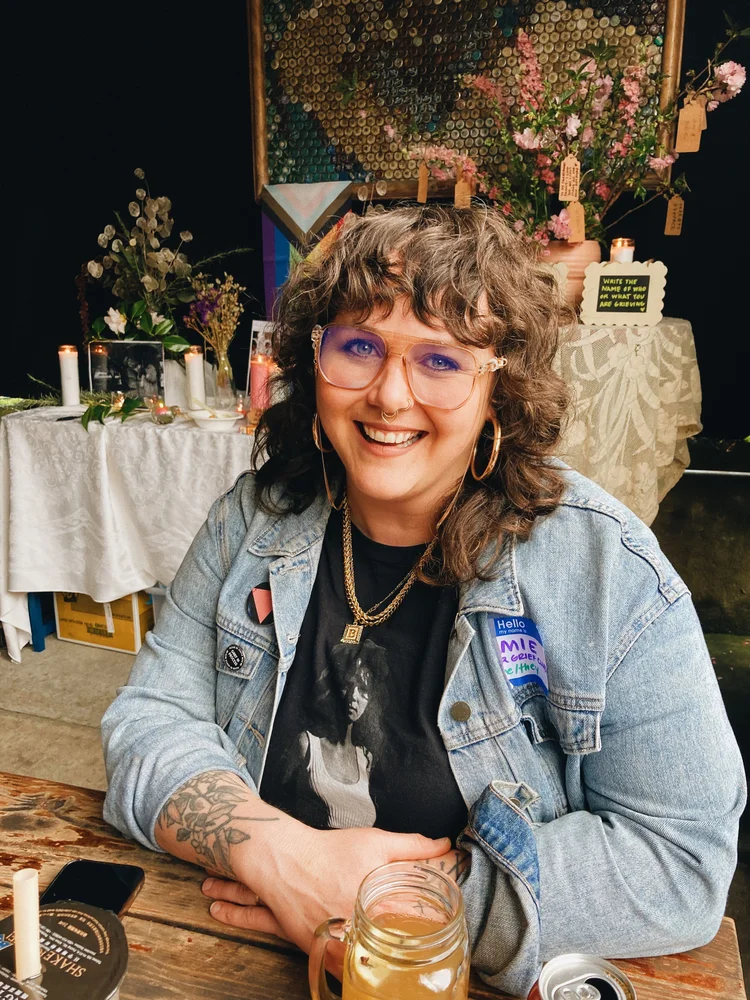
Death doulas are still unfamiliar to many people. Can you describe the role of a death doula, and the kinds of support you offer to patients and their loved ones in the final months, weeks, or days of life?
A death doula provides holistic, non-medical support at the end of life. This can include education, advocacy, emotional support, resource coordination, and gentle guidance through the dying process.
My support begins wherever someone is. Whether a person has months to plan or is declining quickly, there is always more compassion and steadiness to offer. With time, we can talk through goals, priorities, and how someone wants to be supported and remembered.
I’ve worked on beautiful legacy projects with people, facilitated difficult caregiver conversations, and helped normalize the realities of dying so people feel less alone and afraid. When someone is working with me, they’ve got me in their corner, guiding them when things feel unbearable and catching people when they need to collapse.
At its core, I believe death care is community care, and doing this work is not only incredibly meaningful but an honor.
You practice in Oregon, where the nation’s first MAID law was passed. What have you witnessed in these deaths that feels distinct from other end-of-life experiences you’ve supported?
I’m grateful to practice in Oregon, where the Death with Dignity law has been in place for decades, and just recently, they dropped their residency requirements. When I support someone choosing MAID, I often witness a deep clarity and readiness. Many folks have been suffering for a long time and feel prepared to leave their bodies, even if they’re not ready to leave the people they love.
Because the law includes multiple safeguards and steps, families often have time to prepare. That preparation can make the final day deeply intentional. While it can feel surreal to choose the day you die, it’s also profoundly moving to witness someone exercise that final act of agency.
As far as MAID deaths themselves, they are often peaceful and intimate, with loved ones actively participating in the goodbye. I feel incredibly fortunate to be involved every time.
Is there a MAID experience or moment that has stayed with you? One that you feel helps illuminate the impact of having this option available?
So many moments stay with me. I think about my first MAID death, where my client invited her favorite people over, almost like a celebration of life. We toasted champagne, then she drank the medication and chose to die on the couch with her head in her husband’s lap, with the windows open so could hear all the birds she loved. She drifted off, surrounded by stories, prayers, and love.
I also remember four lifelong friends who covered their friend’s body in photos from their travels together, sending her off into her “next adventure.”
Not every story is poetic. Some people choose MAID because their suffering is overwhelming. And those stories matter just as much.
This work is personal for me. Both of my parents were terminally ill before MAID became legal in California. They wanted the option, and my mother even testified in support of the law, but it didn’t pass until six months after she died, in June 2016. I do this work in their honor.
What would you want patients or loved ones to know if they’re considering including a death doula as part of someone’s final days?
Death doulas are amazing and resourceful, and I believe everyone should have one! They can be a steady, grounding presence during an overwhelming time. We work alongside families and hospice teams to offer additional emotional and practical support.
If you’re curious about working with a death doula, or wonder if it’s even necessary, I encourage everyone to examine how they think about giving and receiving care. Many of us are conditioned not to “burden” others or ask for help. But death and grief are times when we truly need community. The more people in your circle of care, the better. A death doula helps a patient build that circle together.
How has doing this work shaped the way you personally think about death, presence, or what it means to support someone at the very end of life?
This work has deepened my understanding of presence. We often fear death because we don’t understand it, and that fear can keep us distant. I think about death every day, not just because I’ve experienced so much grief and loss in my life, or because I work with death, but because acknowledging its existence also allows me to show up fully to my life while I have it, right here, right now.
I’ve also learned that support doesn’t have to be grand. Small acts, sitting quietly, bearing witness, holding a hand, can make the greatest difference. Presence isn’t passive. It is an active commitment to show up.
What does Death with Dignity mean to you?
Death with dignity means people get to die and be remembered and honored for who they are, no matter what the dying process looks like. To me, a dignified death is one surrounded by support, intention, and reverence for life’s greatest mystery.
At Death with Dignity, we also believe that end-of-life care IS community care. Did you know that we have a ton of resources available on our website to help support you at whatever level of advocacy you are at for promoting better end-of-life options for all?