By Emma Granquist Houghton, MSW
At Death with Dignity, social workers are both leaders and the heart of our organization. Our CEO, Peg Sandeen, holds a PhD in social work, and I, together with two other staff members, bring the same dedication and expertise to our mission. Social workers play a crucial role in end-of-life care, guiding patients through the medical aid-in-dying process with compassion, support, and clarity, helping them make informed decisions about their end-of-life options.
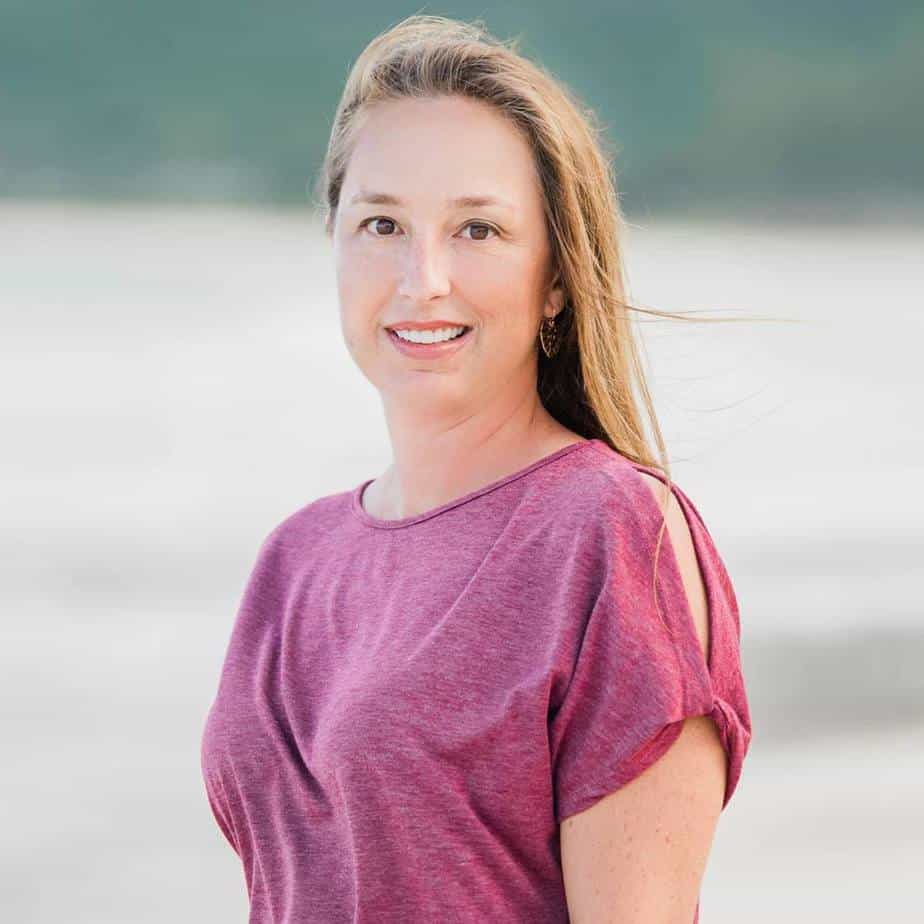
In my work supporting patients and loved ones at the beginning of their end-of-life journey, offering resources and referrals, I was eager to gain a new perspective: that of a social worker working directly with patients navigating the Death with Dignity process. I spoke with Jennifer Taylor, LCSW, who shared her experience supporting patients under Hawai‘i’s medical aid-in-dying law, the Our Care, Our Choice Act.
What inspired you to become a social worker, and how did you find your way into end-of-life care?
My career in social work started with a passion for helping children. When I stepped into the social work office at our local University, the sign in the lobby said, “social workers don’t just talk the talk, they walk the walk,” and that really resonated with me. After years in child welfare and my mother’s experience with Hospice care while dying from breast cancer, I transitioned into Hospice, focusing on children with life-limiting illnesses while pursuing clinical licensure.
What drew you to supporting patients through Hawai‘i’s Our Care, Our Choice Act?
As a military spouse, I’ve practiced social work in many states. My Hospice work began in Florida, but ten years later, while living in Honolulu, I saw a post from our local NASW chapter seeking a social worker to help a client access the Our Care, Our Choice Act. The client couldn’t find a mental health provider to complete the required assessment.
Hawai‘i’s law requires a mental health provider, along with two doctors, to assess a patient’s eligibility for life-ending medication. After learning about it, I knew I wanted to help. I thought of my mother, who died peacefully but suffered great anxiety about the dying process and her children’s suffering. She would have valued having agency in that experience, and I wanted to offer that same peace to other families navigating end-of-life choices.
You mentioned that many people found peace just knowing they had the option. What did that sense of control mean for them and their loved ones?
That was the greatest benefit. Because Our Care, Our Choice requires multiple signatures and self-administration, patients knew they had to be proactive. Some terminally ill individuals feared pain, prolonged suffering, or burdening loved ones, and this option gave them relief and control over their end-of-life choices.
Patients also often had family members who lived in other states, and being able to plan for those people to come and be a witness to these final moments was a comfort to families. They didn’t have to worry about being alone or having their loved ones feel regretful that they didn’t get there in time.
In a time where your life feels out of control and uncertain, Our Care Our Choice gives people power and control over their bodies and their lives in a way that is aligned with their values.
These conversations can be deeply emotional. How did you approach your role to make patients feel safe, supported, and truly heard?
People at the end of their lives are quite honest and open with these conversations. They felt relieved to speak with someone who understood they weren’t depressed or suicidal, but still had meaningful thoughts and feelings. They wanted to be respected and were strong advocates for themselves. It was an honor to witness their clarity and love for their families.
The anticipation of the death of a loved one can be painful and scary. The patients I worked with typically reached a place of acceptance of their circumstances at the end of their life, but their caregivers remained hopeful. Acknowledging that their feelings were valid, normalizing the stages of the grief process, and helping caregivers and family members understand that the patient was making a personal decision—and that honoring the values of the person they loved was often helpful.
What guidance would you offer to families and friends supporting someone who’s chosen to pursue medical aid in dying?
Find your own support outside the treatment team, like family, friends, clergy, or a therapist. Having a therapist who isn’t emotionally connected to the dying person can provide balance and perspective.
Hearing other patients’ stories also helped families feel validated and comforted, knowing the death could be meaningful, even joyful.
How has being part of people’s end-of-life journeys shaped you—as a social worker and as a person—and what does Death with Dignity mean to you now?
This was the most meaningful work I have ever done as a social worker, and it was incredibly difficult to leave Hawai’i and move to a state that doesn’t have this option available. If you can imagine moving to a town that doesn’t have an emergency room, that’s what this feels like to me. There’s no bigger emergency than experiencing undue pain and suffering at the end of your life, and leaving people without the agency to make decisions about their bodies at this critical time feels like a huge hole. I hope more communities can find ways to offer this kind of dignity and choice at the end of life.
Advocating for Death with Dignity in Your State
Jennifer now lives in Florida, a state without a medical aid-in-dying law. As she reflects, the difference between living in a state with a Death with Dignity law and one without it is profound. Everyone should have the same right to choose as residents of Hawai‘i and the eleven other jurisdictions in the U.S.
There are many ways to support Death with Dignity in your state, and advocacy can take many forms. Find the approach that feels right for you.