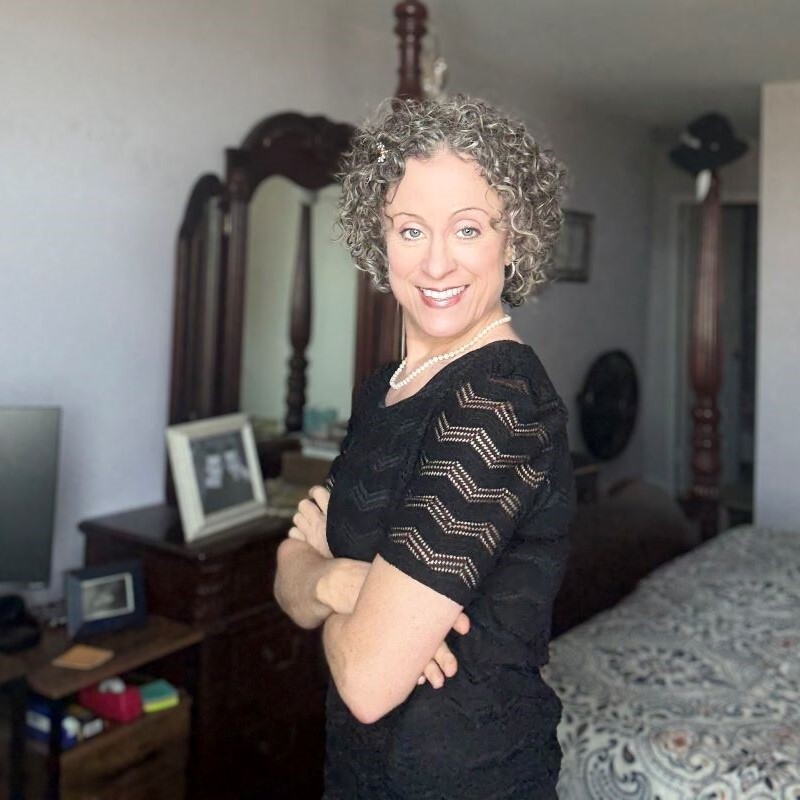
Xand Griffin has continued to advocate for Death with Dignity and end-of-life autonomy since her mother, Giovanna, died of lung cancer in 2017 in New Jersey, where medical aid in dying was not yet an option. After sharing her story with us in 2021, she has had time to reflect on the grief and her experiences eight years after her mother’s death. Xand resides in Vancouver, Washington, where medical aid in dying has been a legal end-of-life option since 2009.
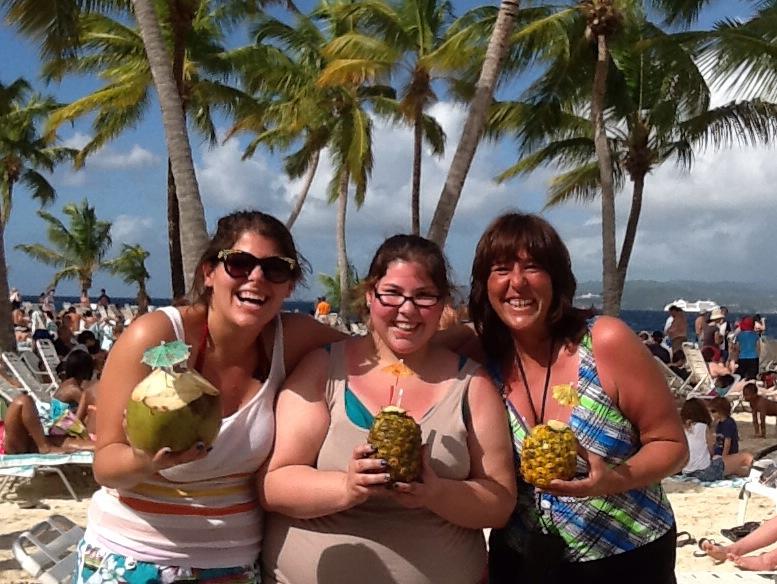
”I’ll keep honoring my mom the best way I know how: by pushing for the change she deserved, but didn’t live to see.” – Xand Griffin
Eight years ago, I lost my mom, Giovanna “JoJo” Griffin, to cancer. Four years ago, I tried to write my way through the grief by sharing her story with Death with Dignity. I thought putting it into words might help me heal. But healing from the kind of pain we endured from her death isn’t straightforward. Hundreds of hours (and dollars) of therapy later, I know this: watching someone you love suffer changes you. It rewires your brain. It shows up uninvited—during meetings, on vacations, in moments that are supposed to feel joyful.
Grief reshapes the way you think, the way you love, the way you remember.
Living with the Grief and Guilt
For me, that grief is crystallized in two things: a salt lamp and a backyard pool.
When my mom was first diagnosed with lung cancer, I bought her a salt lamp. “It’s supposed to purify the air,” I told her. “It’ll make you feel better.” We both clung to that hope. In the beginning, we clung to everything—every supplement, every theory, every tiny thing that might give us more time or less pain. But as the disease progressed and the treatments stopped working, the house grew darker. My mom stopped leaving her room. The curtains were always drawn. The overhead lights stayed off.
The only glow came from that salt lamp. She couldn’t bear anything brighter. So that little pink orb became our lighthouse—our guide in the dim silence of her final months. It gave off just enough light for my sister and I to see her, to sit beside her, to give her medicine that barely touched the pain. It let us hold her through the crying and clean up after the vomiting. I was in my twenties. I didn’t really understand hospice. I didn’t understand how bad things could get.
That lamp became a witness to her suffering—and ours. After she died, I kept it. I didn’t turn it on again and I didn’t clean it. I couldn’t look at it without my chest tightening, but I couldn’t throw it away either. The salt lamp was a gift. It just wasn’t the one she needed.
Not long before things got worse, my mom moved into a new house in New Jersey. It was near a Dunkin’ she loved and bordered a horse meadow that made her smile. It had space for something she’d always dreamed of: a pool. She talked about it constantly. She wanted a place to float, to feel the sun on her face, to forget for a little while.
But when someone you love is dying, a pool feels like a far-off luxury. It doesn’t make the priority list when you’re juggling appointments, managing symptoms, trying desperately to prolong time. Until it became the only thing on the list.
We realized there was no more saving her. No more pretending. We couldn’t fix it and we couldn’t cure it. But we could build her a pool. So we did. We cleared the sod, tamped the ground, and installed a privacy fence. Even the relatives who’d kept their distance showed up with tools and sweat. For one last moment of joy, we all showed up.
And we got her in the water. Once. She was in too much pain. The water was too cold. It didn’t last long. But she smiled. And for one brief moment, as the sunset kissed her face, she looked peaceful. She looked like the mom we remembered before the pain swallowed her. She went unresponsive not long after.
Despite our best intentions, that pool—like the salt lamp—became a symbol of what we tried to give her. The pool was a gift. Just not the one she needed.
The Gift She Deserved: A Death with Dignity
There’s one thing my mom asked for that we couldn’t give her. One gift that mattered more than all the rest: a peaceful, pain-free death. And I couldn’t give it to her. Not because I didn’t want to. But because it was against the law.
Death with Dignity was not yet a legal end-of-life option in New Jersey when my mom needed it. I know she didn’t want to suffer—she didn’t want her last months to be a blur of morphine and misery. But, that’s what she got.
I’ve carried a heavy guilt ever since. Guilt that I couldn’t ease her suffering. Guilt that I gave her gifts that meant well—but didn’t help. No one should have to carry that kind of guilt.
No daughter should be asked to be helpless in the face of their parent’s suffering. And no person should be denied the right to decide how they leave this world.
I share this story because it’s too late for my mom, but it’s not too late for someone else. That’s why I support Death with Dignity. Their mission is simple: more dignity, less suffering. They work to pass laws that allow qualified terminally ill people the option to choose medical aid in dying—so they can die on their own terms, in peace, surrounded by the people they love.
From Grief to Purpose: Advocating for Medical Aid in Dying
Thanks to their advocacy, states like Oregon, California, Washington, and Vermont already have laws in place. New Jersey joined them by passing their own medical aid in dying law in 2019—two years too late for my mom. But we can keep going. We can make sure that others don’t have to die the way she did. That other families don’t have to carry the guilt that my sister and I carry.
The salt lamp and the pool remain part of my story. They remind me of the love, effort, and desperation I felt—and of everything I could not do because of the existing New Jersey laws at the time. So I’ll keep fighting. I’ll keep telling this story. I’ll keep honoring my mom the best way I know how: by pushing for the change she deserved, but didn’t live to see.
If you’ve made it this far, thank you for reading my story and making space to understand my grief. I love my mom and I tried my best to help her, and if this resonates with you, I hope you’ll join me in being an advocate. Join me now by signing the pledge to support Death with Dignity. Everyone deserves a choice. Everyone deserves peace and a death with dignity.