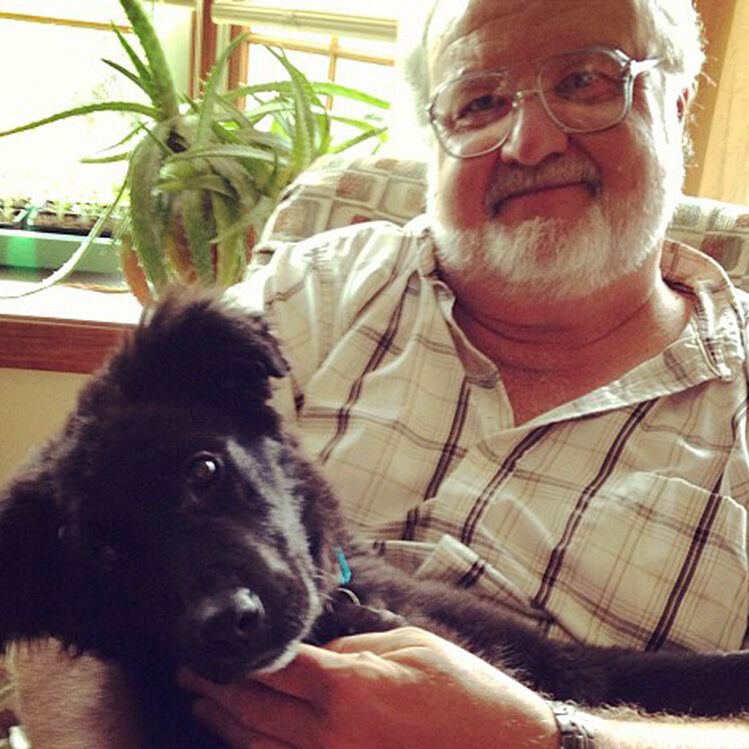
Julie is a passionate advocate alongside Death with Dignity in Wisconsin, inspired by her mother’s experience with terminal illness. She works alongside committed advocates in her state to bring this critical end-of-life option to reality. Through her advocacy, Julie is raising awareness of the need for compassionate options for terminally ill patients and pushing to expand access to medical aid in dying nationwide.
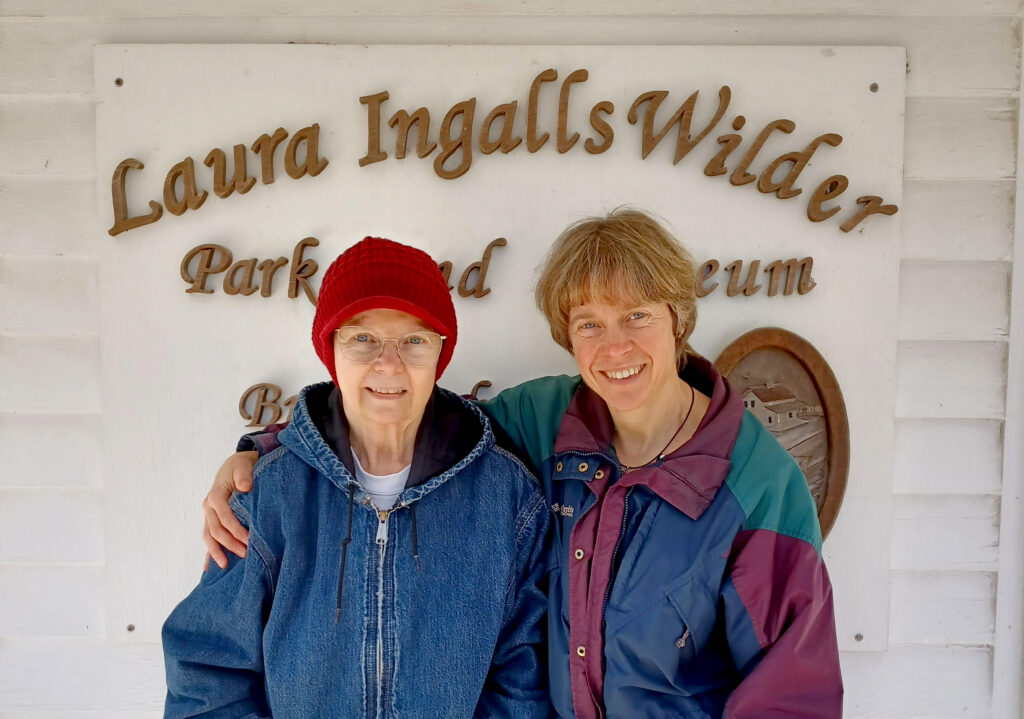
My mother, Linda, loved life. She loved horses, baseball, the Tour de France, and Laura Ingalls Wilder. She loved adventure, maps, lists, and the freedom of the open road. In her 70s, she was living near her grandkids in La Crosse, Wisconsin, playing mahjong with friends, and taking her dog Ben on daily outings and road trips.
She was happy. She was independent. She was still making plans.
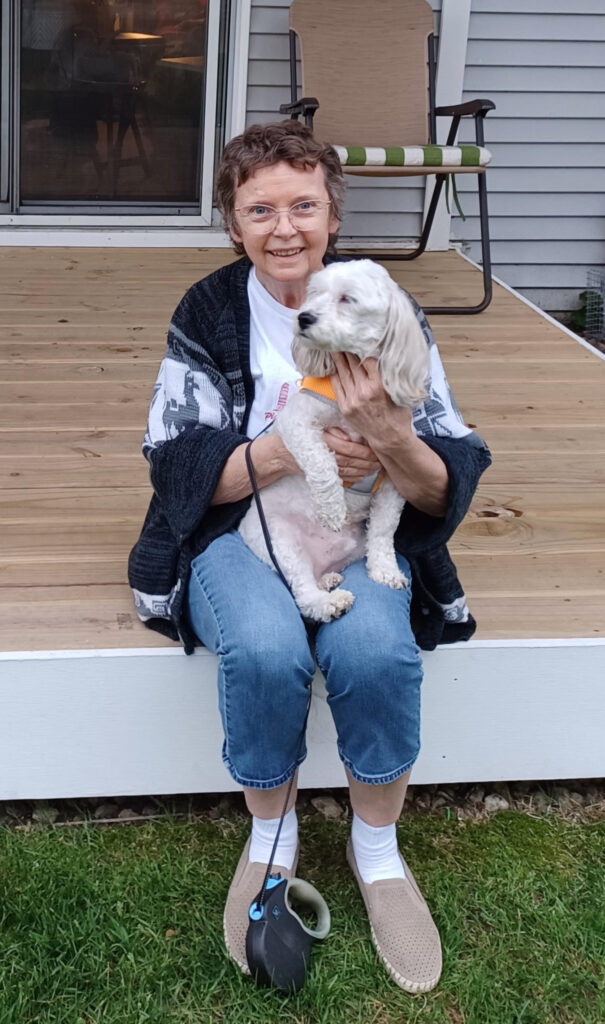
Then, in the winter of 2025, she developed a cough. At first, it seemed like Covid or a stubborn pneumonia. But by the time she got an MRI in the spring, we learned the truth: She had stage 4 lung cancer. It had already spread to both lungs, her pelvis, and her brain.
She had never been a smoker, so the diagnosis felt impossible. But what mattered to her most wasn’t the length of her life, it was the quality of her final days.
Accepting The Reality of Her End-of-Life Options
My mom was a registered nurse who spent her career caring for others—as an obstetric nurse, a NICU night nurse, and later as a psychiatric nurse. She believed in compassion and dignity, even when the system didn’t. Toward the end of her career, when her unit began training nurses to use force with psychiatric patients, she insisted that empathy and words were the better way. When my mom was diagnosed with stage 4 cancer, she understood exactly what would be coming: pain, difficulty breathing, organ failure, confusion, and fear. As she told nearly every hospice worker who visited her: “I’m a retired nurse. I know too much.”
Wisconsin Had No Death with Dignity Option for Her
Almost immediately after her diagnosis, my mom began researching states with Death with Dignity laws. Knowing she might be able to end her life peacefully, if her suffering became unbearable, brought her comfort. Taking this route didn’t mean she saw her life as expendable, only that she wanted to live what remained of it on her own terms. With it already clear that her life was ending sooner and more painfully than she’d imagined, she sought the relief of being able to control how much suffering she’d have to endure and who would be with her in the end. The existing legal form of hastening her own death—voluntarily stopping eating and drinking—involves more suffering, and takes an uncertain number of weeks to occur once initiated. So, my mom asked for my help figuring out what it would take to access medical aid in dying (MAID), but Wisconsin didn’t have a Death with Dignity law. And as her condition worsened, relocating to another state to access their aid-in-dying law became impossible.
In the end, our only option was hospice in La Crosse—and waiting.
My three sisters and I took turns living in Linda’s apartment to care for her as her world grew smaller. She was constantly on oxygen, often nauseous or groggy from pain medication, and she could no longer enjoy the things she once loved. As friendly and upbeat as my mom had once been, she didn’t even want to see anyone she didn’t have to—not even Ben, the dog who had been her constant companion for years. She kept saying she wished it were over.
In her final three weeks, a hospital bed was brought into her living room, and our family did everything we could to keep her comfortable and surrounded by love. But as her body consumed itself, she became increasingly restless and frightened at times, and it was painful to witness her distress. One night, during a solo shift, my oldest sister called me, worried about my mom’s agitation and how quickly things were changing, so I drove from Madison to be there. In those last two days, with my mom’s death rattle filling the apartment, the two of us stayed close, taking turns at her side.
She died before dawn on her 80th birthday.
Why I’m Fighting for Death with Dignity in Wisconsin
Wisconsin is closely split politically, with our population evenly divided between rural and urban communities and coming from many different religious backgrounds. Leaders of religious institutions like the Catholic Church will likely resist this bill—even though many Catholics themselves support the option.
My own family reflects that complexity. My mom grew up Protestant in a small town in Southern Illinois and converted to Catholicism to marry my dad, who was raised in Chicago. All four of us daughters attended eight years of Catholic school. But, my mom’s beliefs were always open-minded and evolving. In her sixties, she attended and volunteered at a Lutheran church in Chippewa Falls. After moving to La Crosse, she spent Sunday mornings with grandchildren and described herself as “spiritual but not religious.” As she was dying, she repeatedly declined chaplain visits from hospice, even when they emphasized the chaplain was non-denominational.
What mattered most to her wasn’t doctrine. It was dignity. It was mercy. It was the right to avoid unnecessary suffering.
That is why I am an advocate for Wisconsin’s Death with Dignity bill—to give others the gift I could not give my mother: the ability to end her suffering peacefully, at a time of her choosing. Wisconsinites like my mom should not have to face impossible logistics, including trying to relocate while dying, just to access an option that residents of 13 other U.S. states and the District of Columbia already have.
Share Your Story: Help Pass Death with Dignity in Wisconsin
Wisconsin’s Death with Dignity legislation will be discussed by legislators when the 2027 legislative session begins. In the meantime, supporters across the state are organizing to persuade their representatives to support this bill and allow it a public hearing. I’m working with committed advocates in Wisconsin, in partnership with Death with Dignity, to make this happen. This issue continues to affect families in our state every day.
If you have watched a loved one suffer longer than they wanted at the end of life, or if you are navigating your own terminal diagnosis, please share your story.
Lawmakers need to hear what dying really looks like.My mother deserved better. Other families like ours deserve better. Share your story now.