*Since this blog was written, Governor JB Pritzker signed the End-of-Life Options for Terminally Ill Patients Act into law. The law will take effect in September 2026.
This month, the Illinois State Senate took a historic step by passing the End-of-Life Options for Terminally Ill Patients Act (SB1950)—legislation now widely known as Deb’s Law. Following earlier approval in the Illinois House, the bill is now headed to Governor JB Pritzker’s desk for final consideration. If signed, Illinois will join a growing number of states affirming that terminally ill people deserve compassionate end-of-life choices that honor their autonomy, dignity, and values.
But you might be asking: Who is the Deb behind Deb’s Law?
From Social Work to Medical Aid in Dying
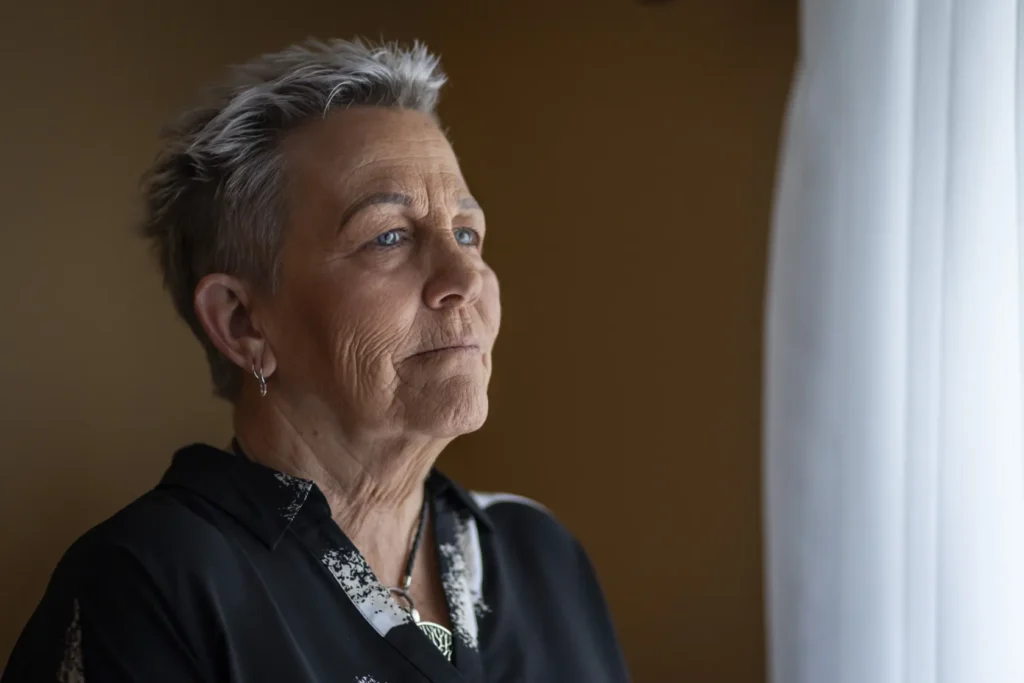
Deb Robertson is a former social worker from Illinois who has spent her career caring for people in moments of vulnerability. Known for her kindness, warmth, and fierce empathy, Deb spent decades helping families navigate difficult transitions—work that required deep emotional strength and a profound belief in human dignity.
That belief has only grown stronger as Deb faces her own diagnosis: an aggressive form of neuroendocrine carcinoma. Even while navigating the complexities of terminal illness, Deb has emerged as one of Illinois’ most compelling voices for medical aid in dying.
A Voice for End-of-Life Options
Deb did not expect to become the public face of a statewide movement, but she knew she couldn’t remain silent once she understood how few end-of-life options Illinois offers its terminally ill residents. Deb watched other states adopt Death with Dignity laws with policies that allow mentally capable, terminally ill adults the option to peacefully end unbearable suffering. She wondered why Illinoisans didn’t have the same ability to make deeply personal decisions about their final days.
Instead of retreating, Deb took action.
She has testified before legislators, spoken with reporters, and shared the most intimate parts of her story—all to illuminate what dignity and autonomy look like at the end of life. By putting her face to the issue, Deb makes it clear that medical aid in dying is not an abstraction; it’s a personal decision that can offer peace, relief, and control to people who are already dying.
Movement in the Midwest: Death with Dignity in Illinois
Deb’s openness transformed the conversation in Illinois. Her advocacy helped lawmakers see that end-of-life choices are not political talking points but real, human decisions faced by real people. Her courage brought together a broad coalition of supporters—healthcare professionals, faith leaders, families, and patient advocates—who believe Illinois should join other states in offering a compassionate path for those nearing death.
Legislators named SB1950 “Deb’s Law” as recognition of the way she changed hearts and minds across the state.
Deb’s greatest hope is simple: that terminally ill Illinoisans will have access to the same end-of-life options available elsewhere in the country. She wants future patients to have the opportunity she may never receive—to approach the end of life with peace, clarity, and a sense of control rooted in autonomy.
As the bill reaches Governor Pritzker’s desk, Illinois stands at an important crossroads. Deb’s Law is not only a policy change—it is a testament to the power of one woman’s courage and to the universal desire for dignity at the end of life.